We lift sunken driveways, sidewalks, patios, pool decks, and garage floors back to level — most jobs done the same day.
Tell Us What's Sinking
Thank You!
We'll get back to you shortly. For immediate help, call (980) 890-5886.





If your concrete dropped, dipped, or pulls away from where it should be, leveling is the fix. Concrete lifting puts the slab back without tearing it out. The soil underneath is what moved, so that is what the repair has to address. Concrete leveling and concrete lifting describe the same work. Concrete lifting has been used under roads and bridges for decades.
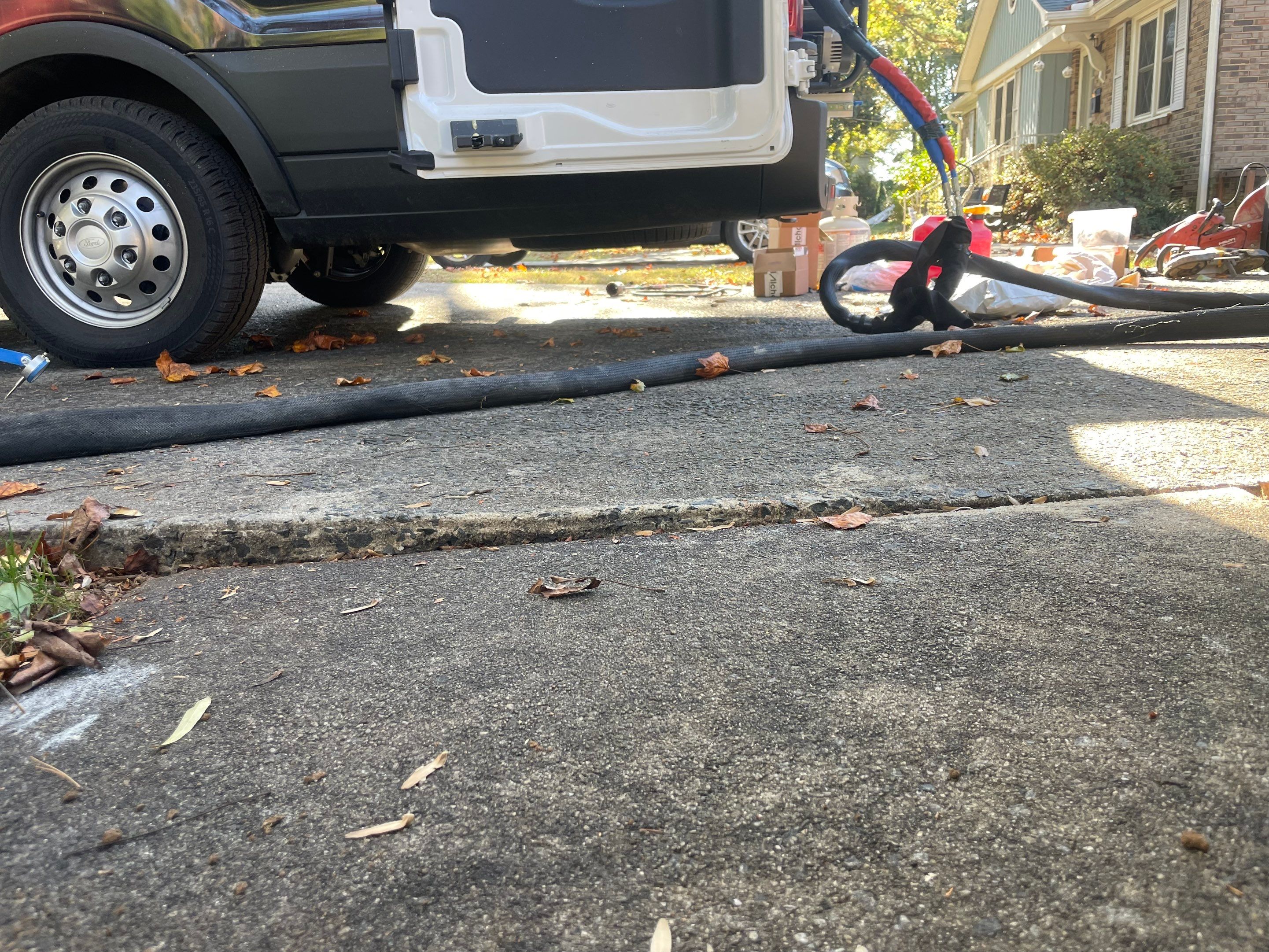
Your driveway dips when you pull in. Cars scrape, water pools, and the slab pulls away from the garage door. A slab that has dropped at the door is usually sitting over a void. Concrete lifting fills that void and brings the slab back to the door line. Most of these are back in service the same afternoon.
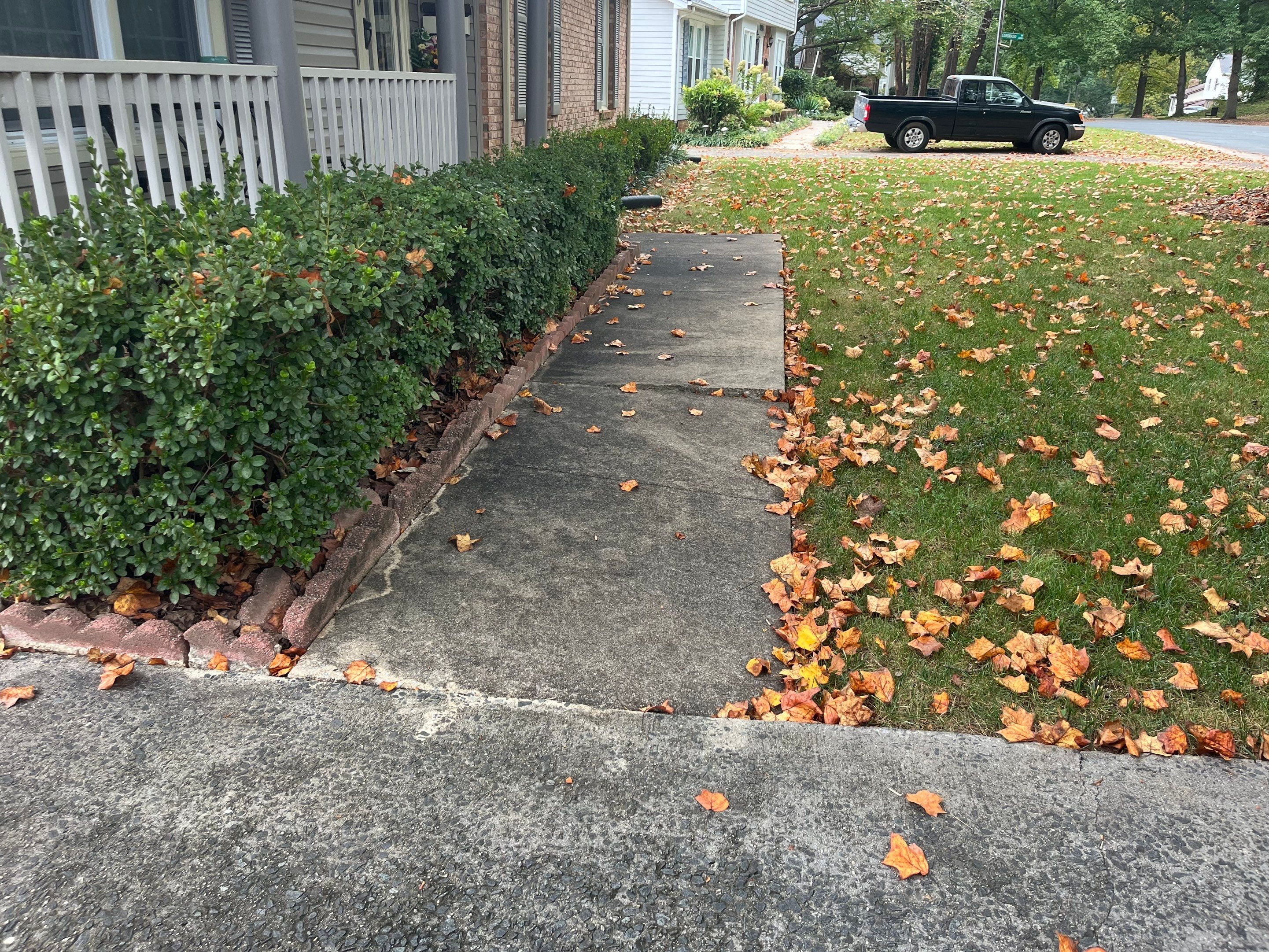
One slab sits higher than the next. People catch their toe on the edge — a real trip hazard for kids, guests, and delivery drivers. Uneven concrete at a joint is the most common trip hazard we fix. Raising one side back to level costs a fraction of replacing the whole run. Uneven concrete on a walkway is also the easiest kind to lift. A lifted joint stays level for as long as the soil beneath it stays put.
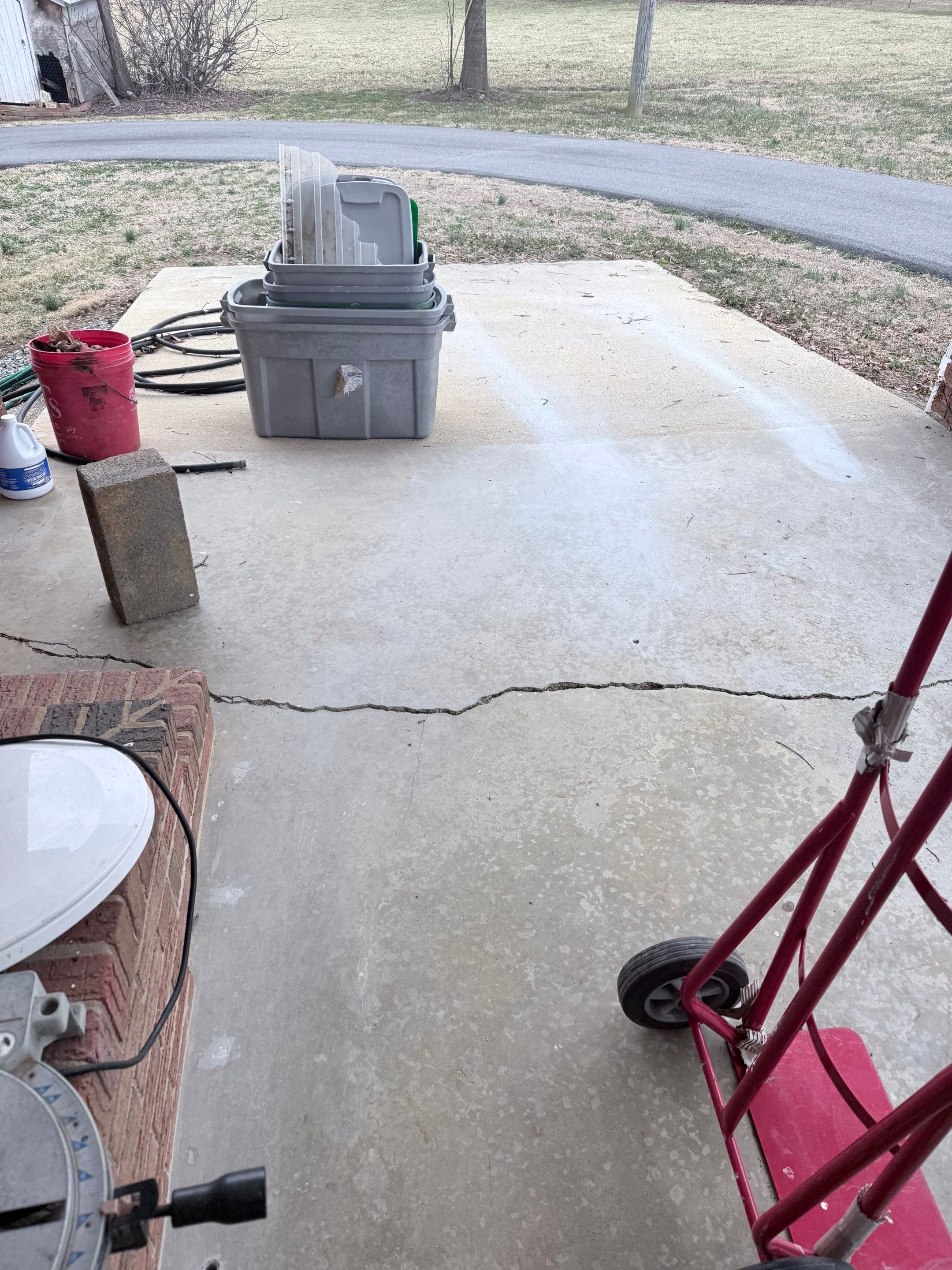
Water sits on your patio after rain. Your pool deck slopes the wrong way. Both mean the slab dropped and needs to come back up. Sunken concrete almost always means the soil below it settled or washed away. Concrete lifting is the repair; replacement is the expensive alternative. Raising the concrete costs a fraction of a tear-out and cures far faster. Concrete lifting is booked as a single visit in almost every case.
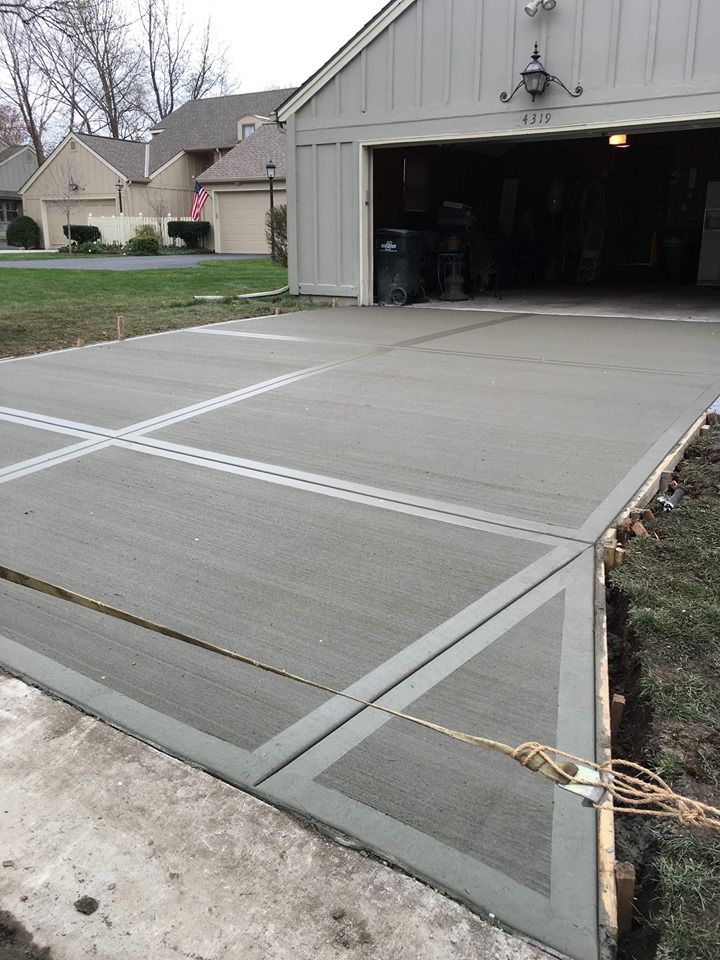
A marble rolls across your garage floor and stops at the wall. The slab dropped because the dirt under it washed out. Poor compaction when the slab was poured, a plumbing leak, or years of runoff all produce the same result. We find the cause before we start raising anything. Stabilizing the soil first is what stops the same slab dropping again.
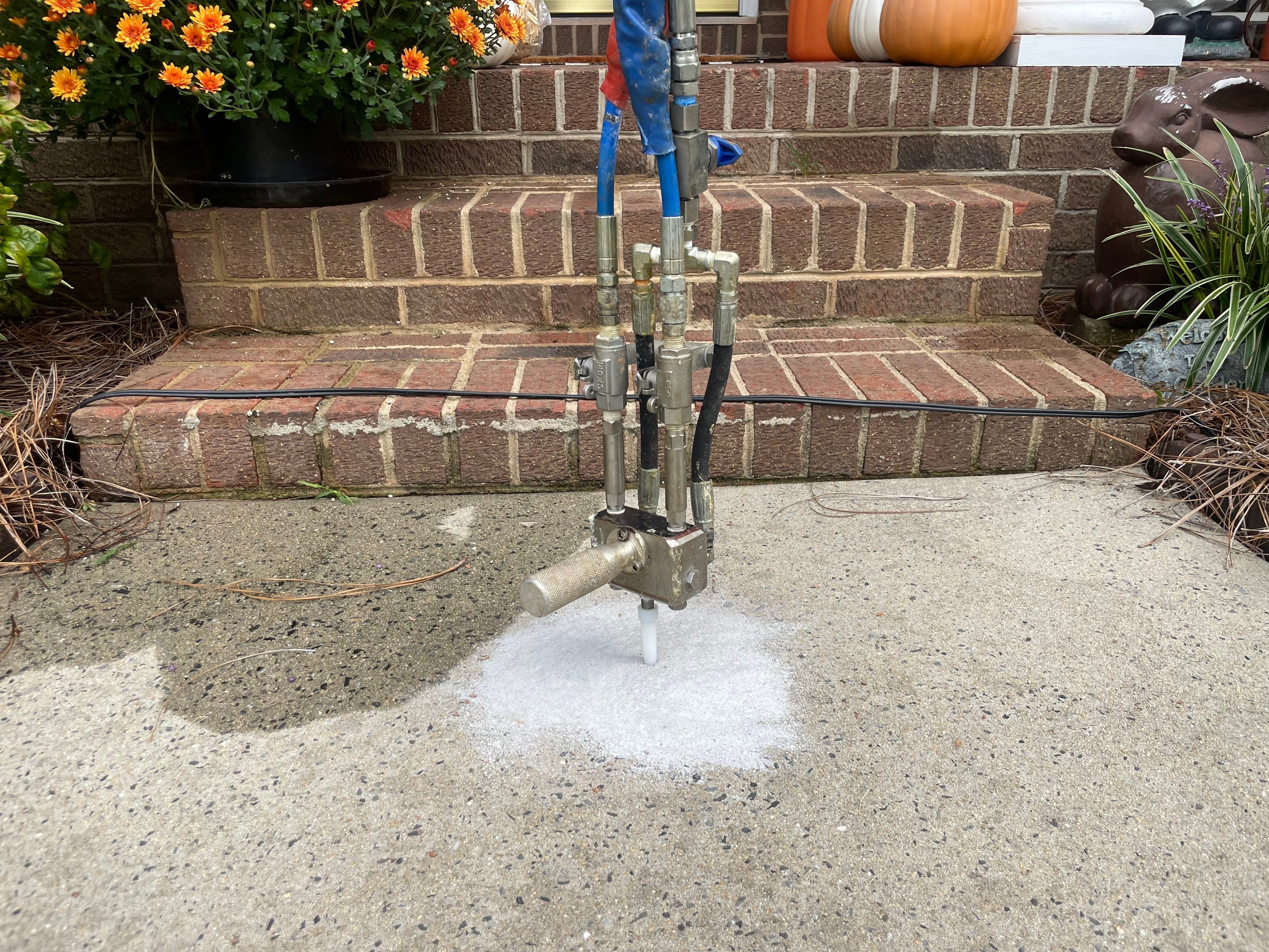
Concrete leveling lifts any sunken slab back to where it should be. The dirt under it gave way — we fill the void and bring the slab back up. We do every kind of concrete around your home. Driveways, walkways, patios, steps and a dropped porch all lift the same way. Concrete lifting works anywhere there is a solid slab sitting on soil that gave way. Concrete lifting works on any slab thin enough to move but sound enough to hold together. A whole property of concrete leveling is normally one visit rather than several.
Our driveway leveling work lifts sunken approach pads, single sections, and full driveways. Cars stop scraping. Water stops pooling. Foam goes in through holes about the size of a penny. The patch is barely visible once the grout cures. A driveway repair like this takes a morning, not a week. The concrete carries traffic again immediately afterwards.
Sidewalk and walkway leveling fixes trip hazards on sidewalks, front walks, and side paths. One slab back to flush with the next. No more catching your toe. Concrete leveling on a walkway is usually finished in a couple of hours. There is no demolition, no forms and no waiting on a pour to cure. Cracked joints are sealed after the concrete is back at level.
Patio leveling lifts sinking patios that hold water or pull away from the house. Proper drainage restored. Same slab — back where it should be. Polyurethane foam expands in place and lifts the slab within minutes. Mudjacking uses a heavier slurry and a wider opening to do the same job. Both methods inject material under the concrete rather than over it.
We do pool deck leveling for decks that have settled or slope back toward the pool. Foam works best here — light and waterproof. Foam weighs a fraction of what a mudjacking slurry does, so it does not add load to soil that has already failed. That matters most on ground that is still soft. Foam also seals as it expands, so the soil below stays drier.
Garage floor leveling lifts dipped slabs back to flush. Cars stop tilting. The floor levels out. Concrete lifting under a slab like this is done in one visit. The repair costs far less than a tear-out and re-pour. Concrete lifting here avoids cutting the slab out from inside the structure. Concrete lifting under a slab that carries vehicles uses a denser foam.
We use foam or mud — whichever fits your slab. We tell you which is right and you decide. Same slab. Same day. Half the cost of replacing. We also handle interior slab lifting for basement and sunroom floors, and concrete crack repair when the slab needs sealing too. Cracked concrete can be lifted first and sealed afterwards. Lifting a badly broken slab is not worth it, and we will say so rather than take the job. Cracked concrete that is otherwise sound lifts perfectly well. Sealing after a lift is a small repair on its own.
Our Process
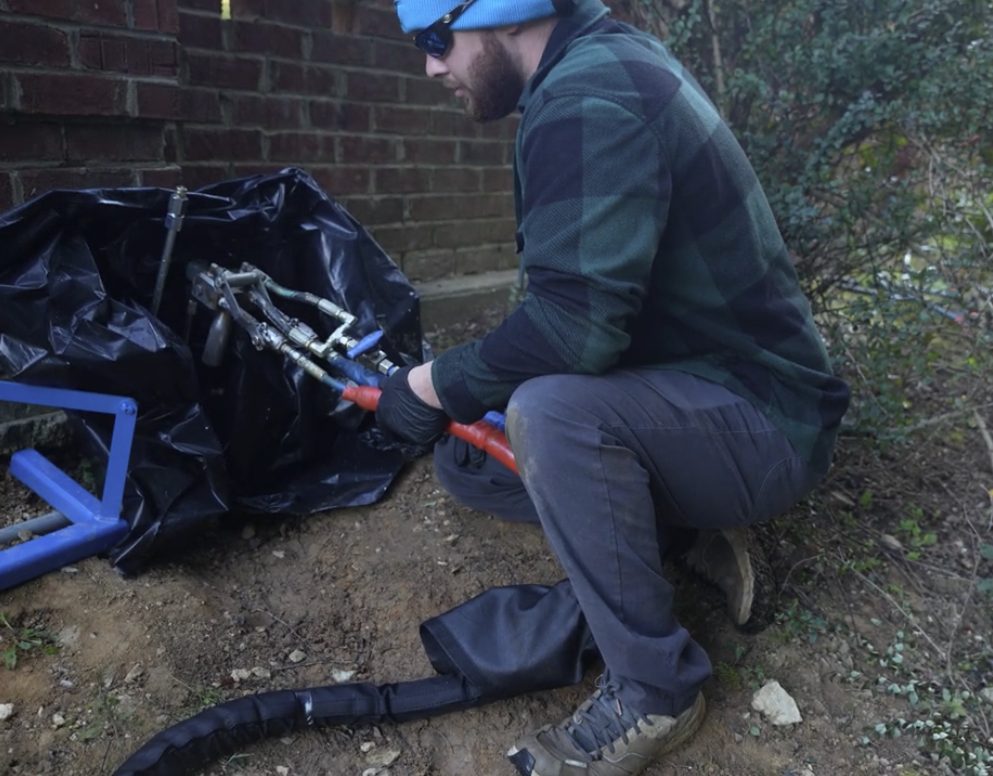
We measure the drop, find the cause, and write a flat price on the spot. The price we quote is the price you pay. The quote covers the material, the holes and the patching. Concrete leveling priced this way has no line items added later. Concrete leveling is quoted per slab, after we have seen it.
Foam cures fast and lasts 20+ years. Mud costs less and lasts 2 to 5 years. We tell you which fits your slab and you make the call. Polyurethane foam suits most driveways and anything that has to carry traffic soon. Mudjacking is the cheaper of the two methods where the slab is not in a hurry. Neither approach is universally better. The slab decides. Concrete leveling only works when the slab itself is intact. Access matters too, because a mudjacking rig needs room a foam hose does not.
We drill small holes through your slab and pump foam or mud underneath. The slab rises back to level while we monitor every inch. We watch the slab rise and stop at level rather than guessing. Injecting material slowly is what keeps a lift controlled. Raising happens in small increments so nothing cracks on the way up.
We patch the holes with color-matched concrete, sweep up, and walk you through the result before we leave. Every hole is filled with grout and smoothed flush. Concrete lifting done properly leaves almost nothing to see. The concrete is left clean and ready to use.
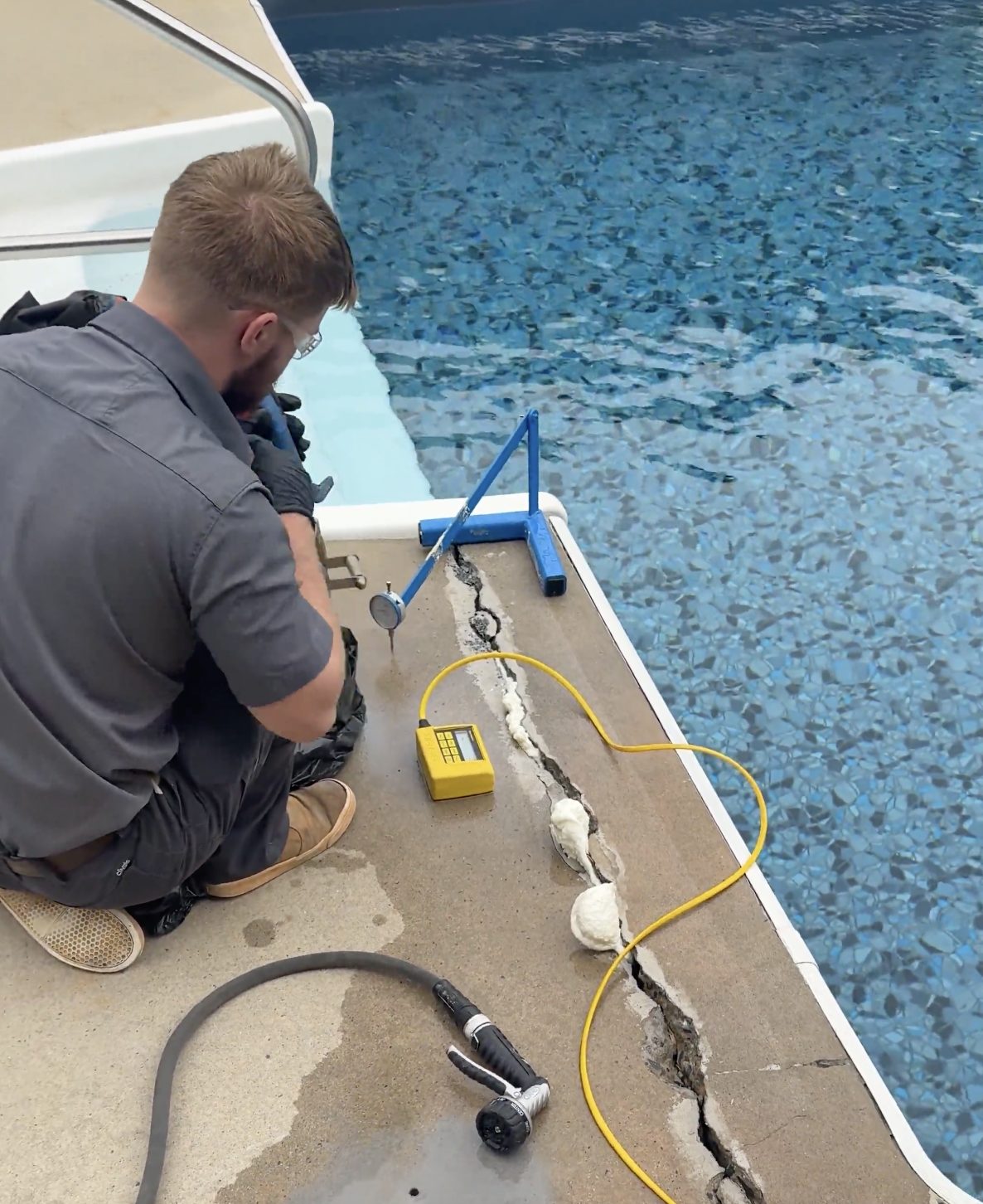
We come out fast. Most quotes happen the same day or next day. Most jobs are done in one to four hours, and with foam you walk on the slab the same day. Foam reaches full strength in about fifteen minutes. Mudjacking needs a day or two before heavy use. That is the single biggest practical difference between them.
We give you a flat price before we start. No change orders, no surprise upcharges, no "we found extra work" once we're there. The price you see is the price you pay. Concrete leveling generally costs well under half of replacing the same slab. That gap is the whole reason the repair exists. Concrete lifting also avoids the landscaping damage a replacement causes.
We run both methods — foam and mud. Most companies push one because the margin is higher. We tell you what actually fits your job. If mud is enough, you save the money. If foam is the right long-term call, we say that too. If the soil below is still moving, or the concrete is broken rather than sunken, replacing it is the honest answer. We would rather lose the job than lift concrete that will drop again.
It depends on the slab, the lift, and the method. Mud costs less and lasts 2 to 5 years. Foam costs more and lasts 20+ years. We give you a flat price on the spot — no estimates, no surprises. We measure the drop, check the soil and price the repair while we are there. The soil test takes a few minutes and decides the whole repair.
Foam lifts last 20+ years. Mud lifts last 2 to 5 years. The biggest factor is whether the cause — bad gutter, plumbing leak, or tree roots — gets fixed too. We tell you what's causing the drop and what to fix. Concrete settlement has a cause, and lifting the slab without finding it just buys time. A leaking line under a slab will undo any concrete leveling if it is left alone. A leak under concrete keeps working until somebody fixes the leak.
Foam lasts longer, cures faster, and is lighter. Mud is cheaper. Foam is usually the right call for driveways, garages, and pool decks. Mud works for budget jobs and single sidewalk panels. We pick based on your job, not our margin. Polyjacking and mudjacking are both proven methods. The choice comes down to load, access and how fast you need the concrete back. Foam suits soft soil. Mudjacking suits a slab that simply needs mass beneath it.
With foam, yes — about 25 minutes after we finish. You can drive on it in 24 hours. Mud takes 24 to 48 hours before any heavy use. Foam leveling is quicker than that. A driveway lifted with foam takes traffic the same afternoon. Either way the concrete is usable long before a replacement would be.
Almost never. Most policies exclude soil settlement and gradual sinking. Sudden causes — a burst pipe or storm damage — are sometimes covered. Check your policy. Damage traced to a plumbing leak is the case most often covered. Ordinary settling usually is not. Photographs of the concrete before and after help either way.
Rapid Concrete Leveling provides concrete leveling services across our coverage area. Click your city for local crew details.