Asheville's freeze-thaw winters and steep mountain lots are hard on concrete. We lift your sunken driveway, patio, or slab back to level with foam injection — usually the same day.
Tell Us What's Sinking
Thank You!
We'll get back to you shortly. For immediate help, call (828) 680-8319.




Up here, concrete settles for reasons the lower markets don't see as much — winters that freeze and thaw the ground all season, and hillside lots where the fill under a slab was never as solid as the cut beside it. We lift it back. Below are the eight services we run across Asheville.
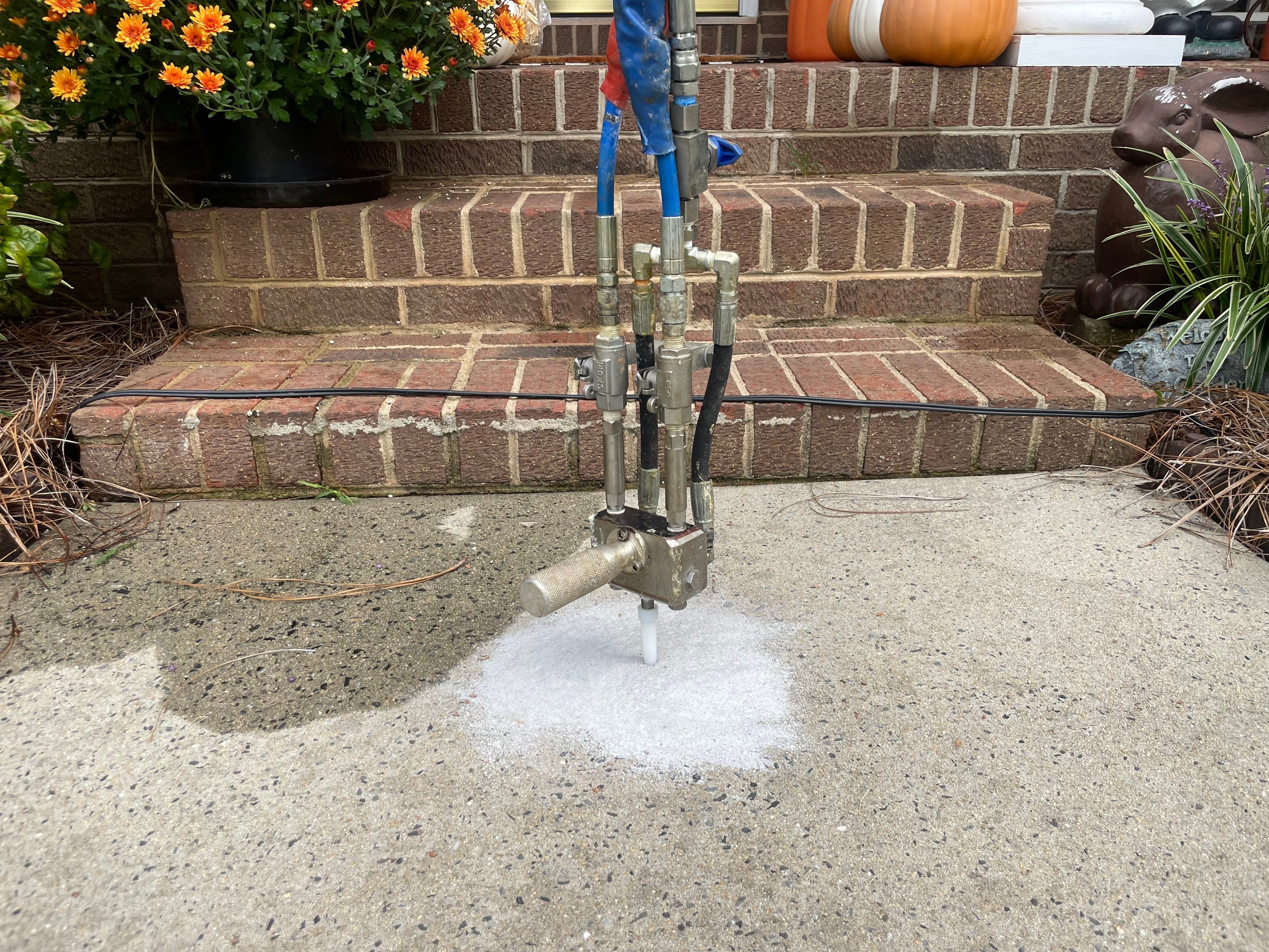
When a slab settles, you don't have to rip it out and start over. We thread foam in through a few small holes; it expands under the concrete, takes up the hollow the soil left, and floats the slab back to level. Holes patched, you're back on it the same afternoon.
Learn More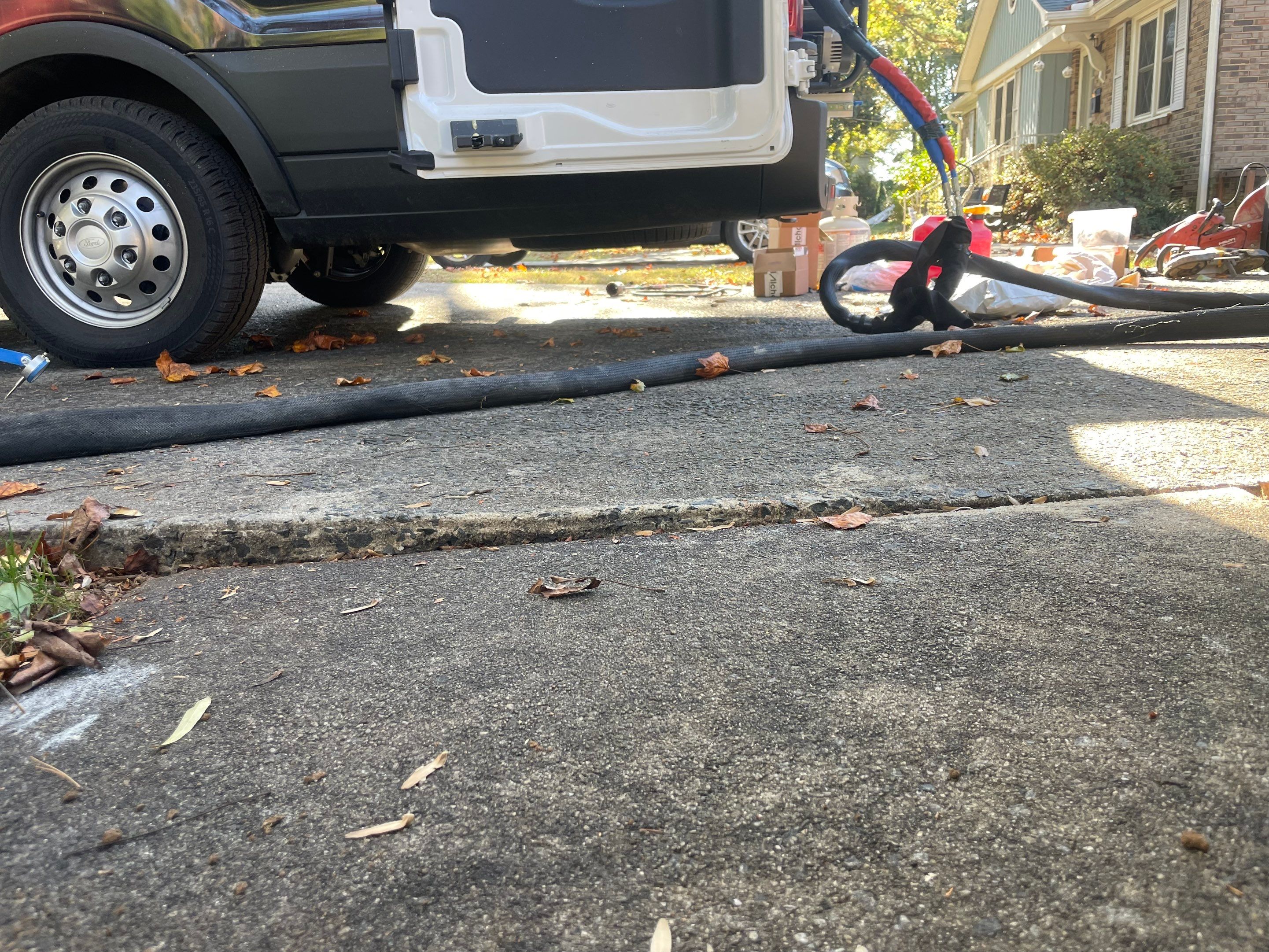
A mountain driveway that's settled into a dip or dropped where it meets the garage is usually sitting on fill that gave way — common on the cut-and-fill lots around Town Mountain and the steeper streets. We lift the low section, fill the void underneath, and you're driving on it the same day.
Learn More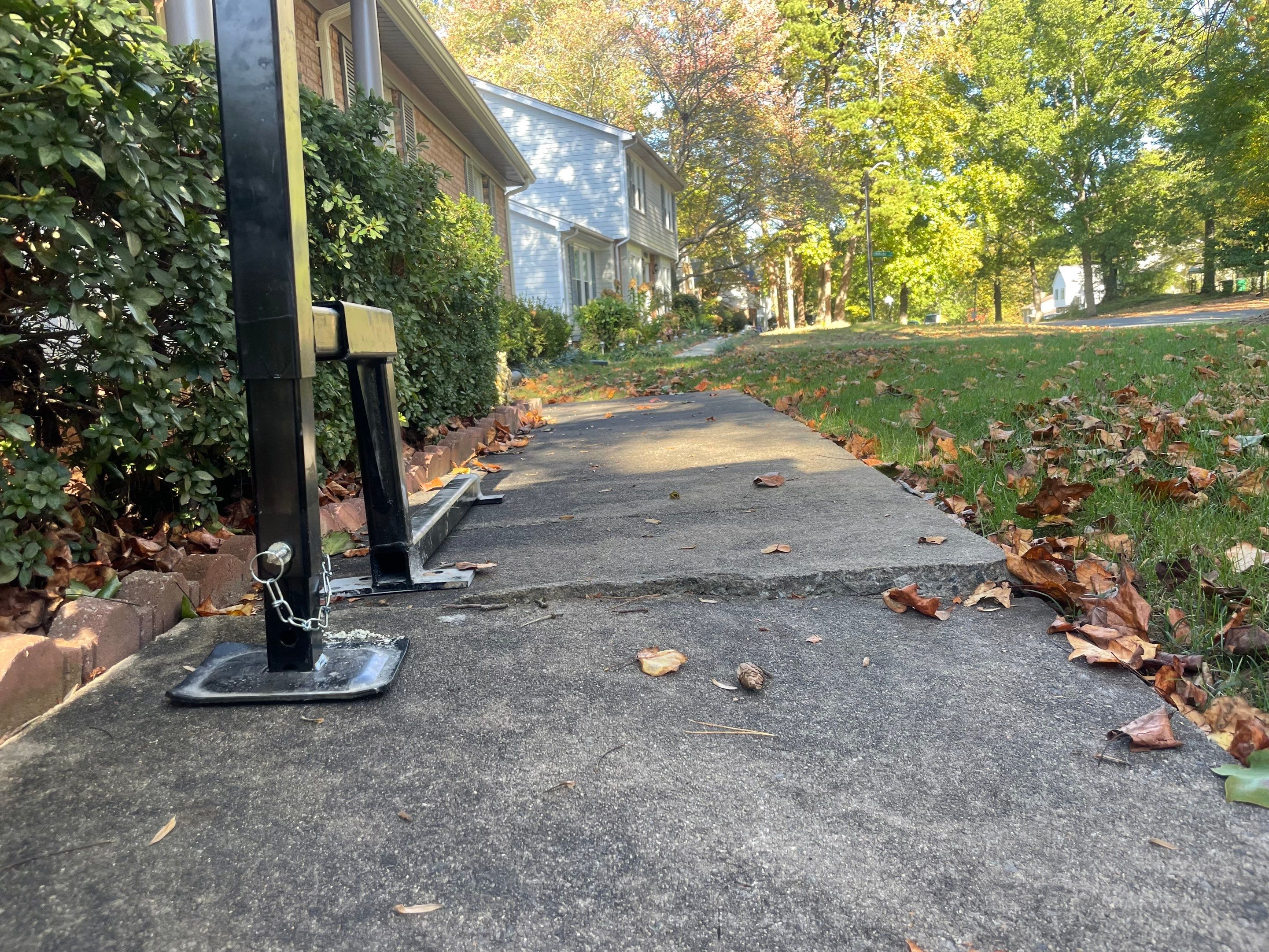
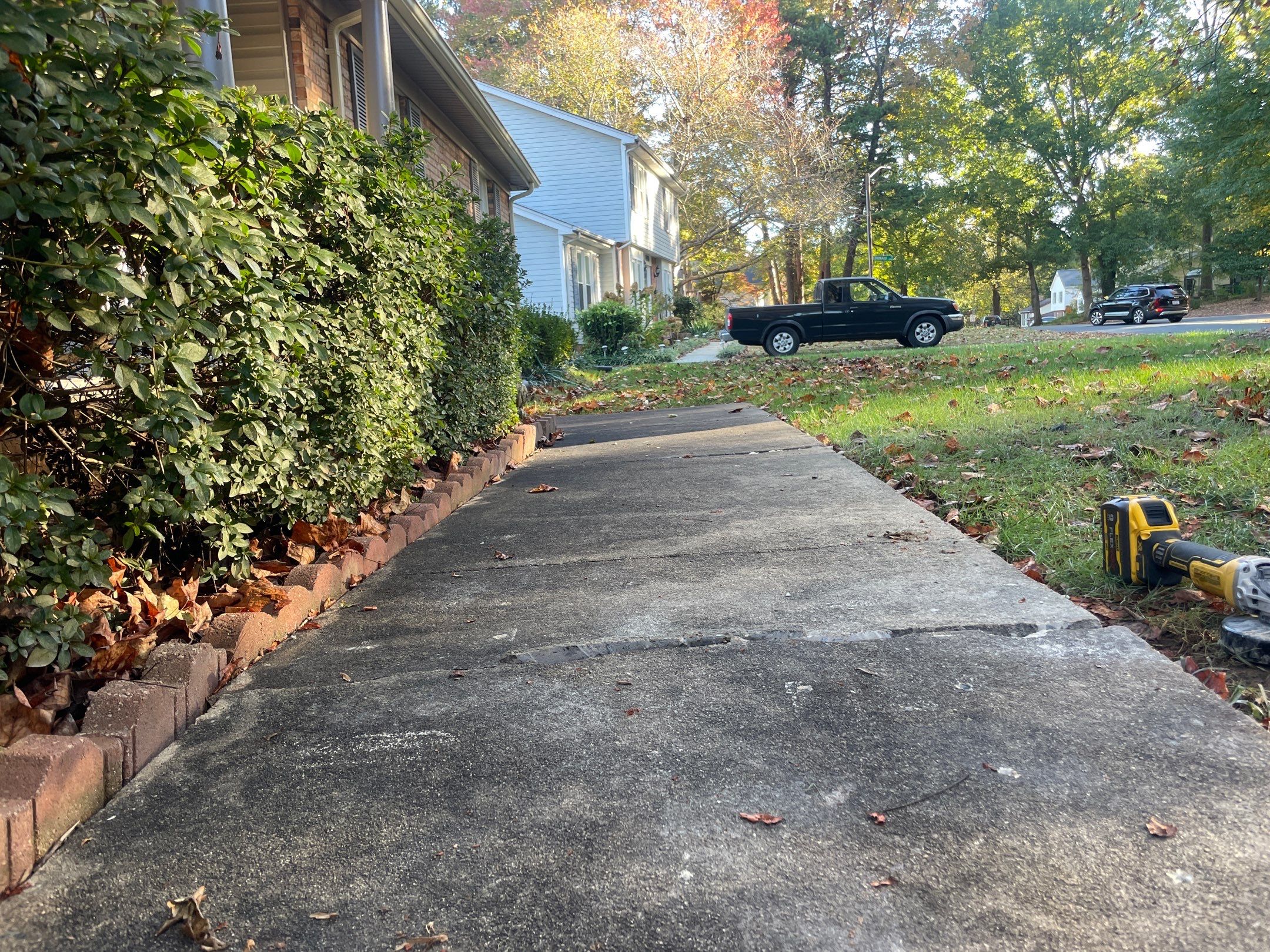
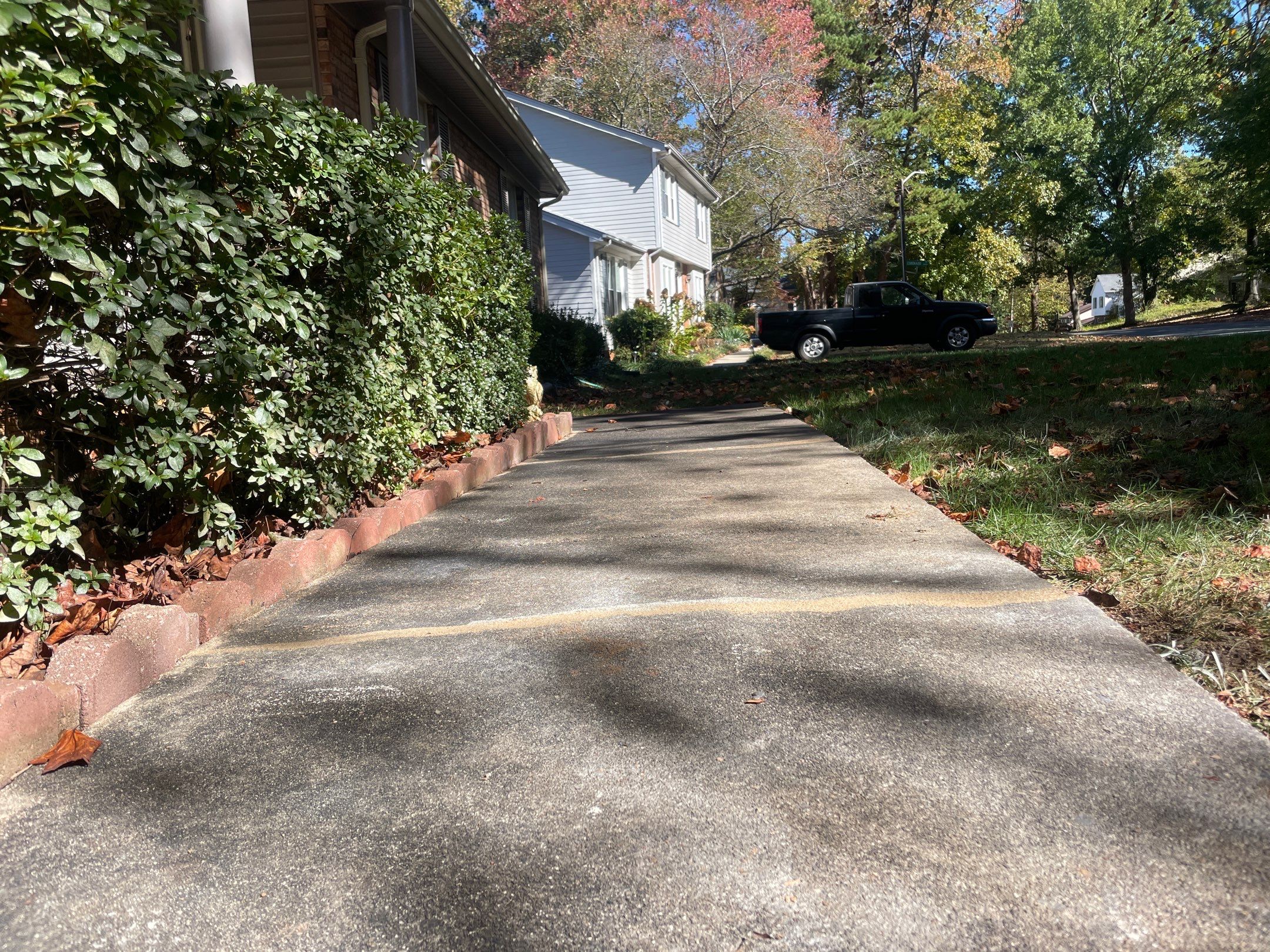
When one slab heaves up past the next — and a freeze-thaw winter is good at doing exactly that — you've got a toe-catcher. We raise the low slab to meet the high one, level the run, and patch the small holes. No jackhammer, no new pour.
Learn More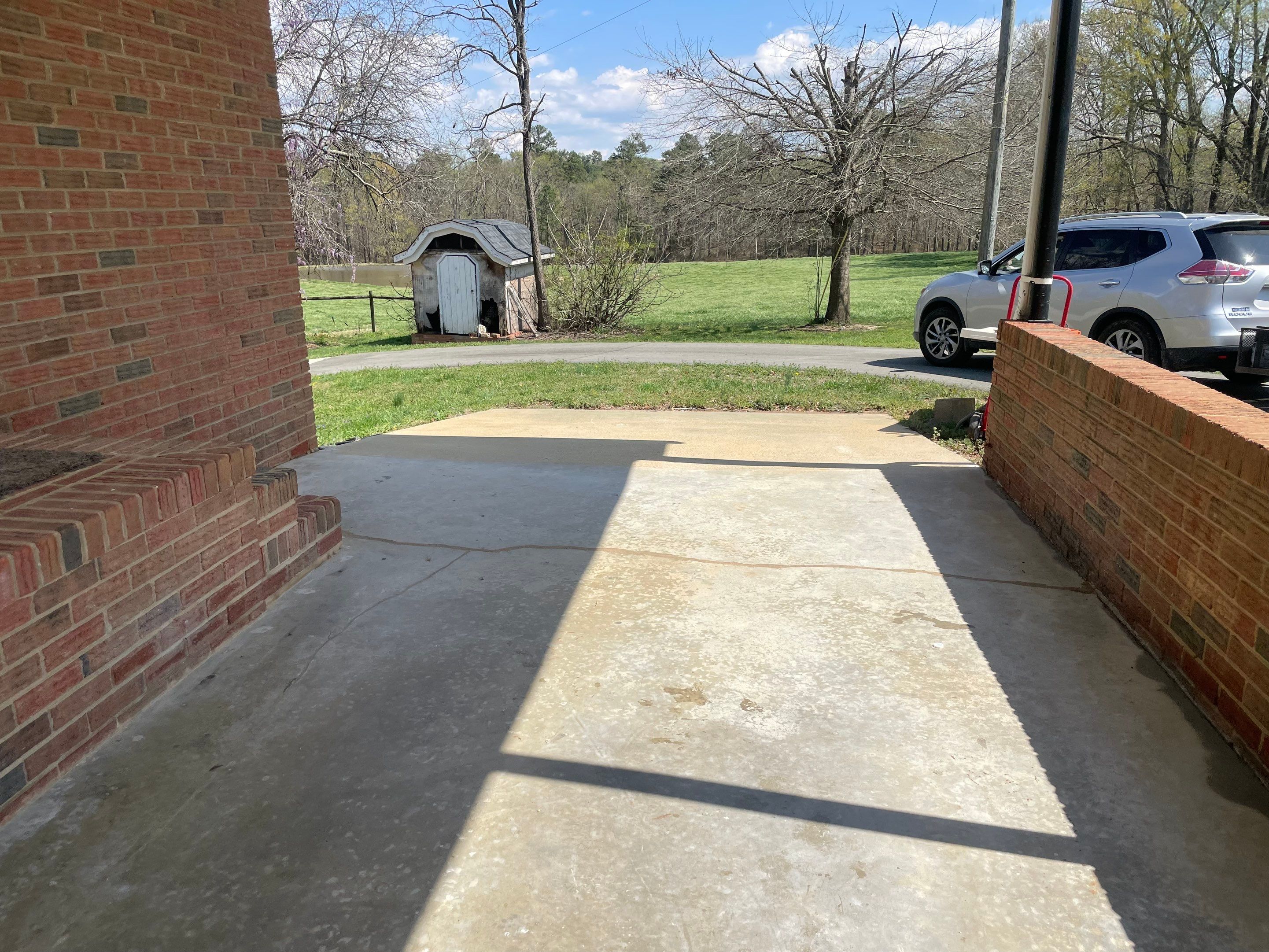
A patio that's tilted back toward the house sends snowmelt and rain at the foundation instead of away from it. We lift the sunken edge, put the slope back, and the water drains where it should.
Learn More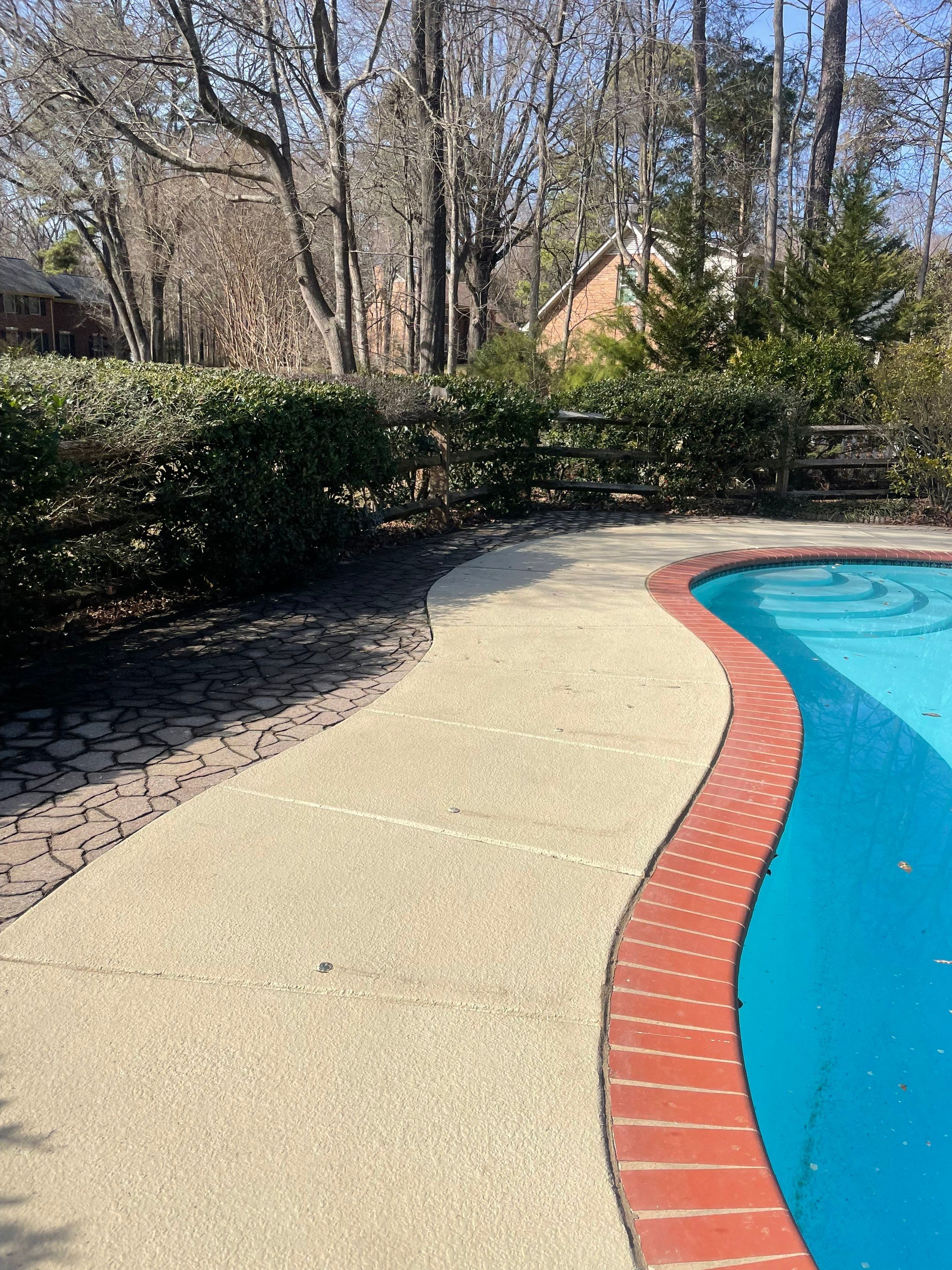
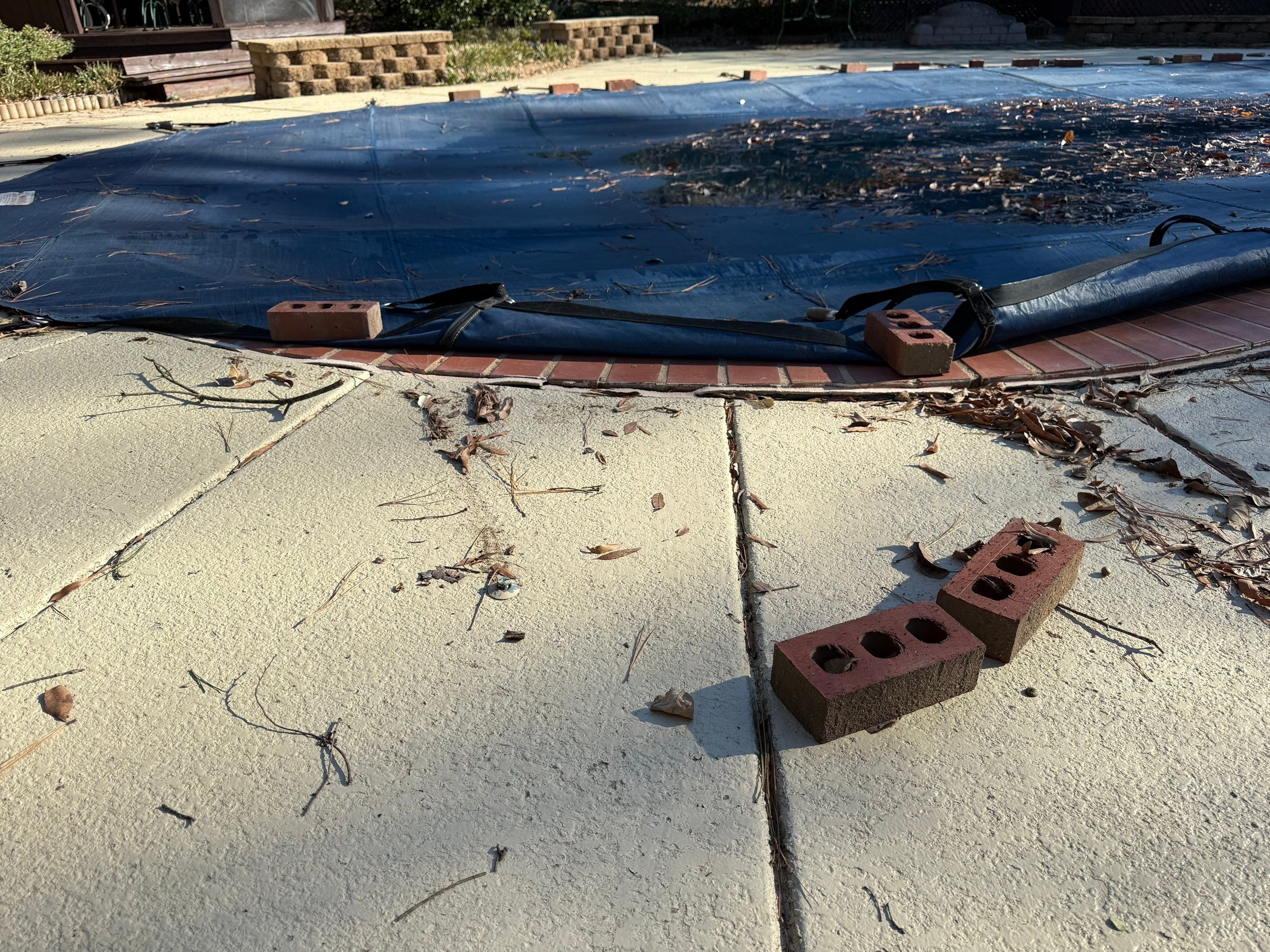
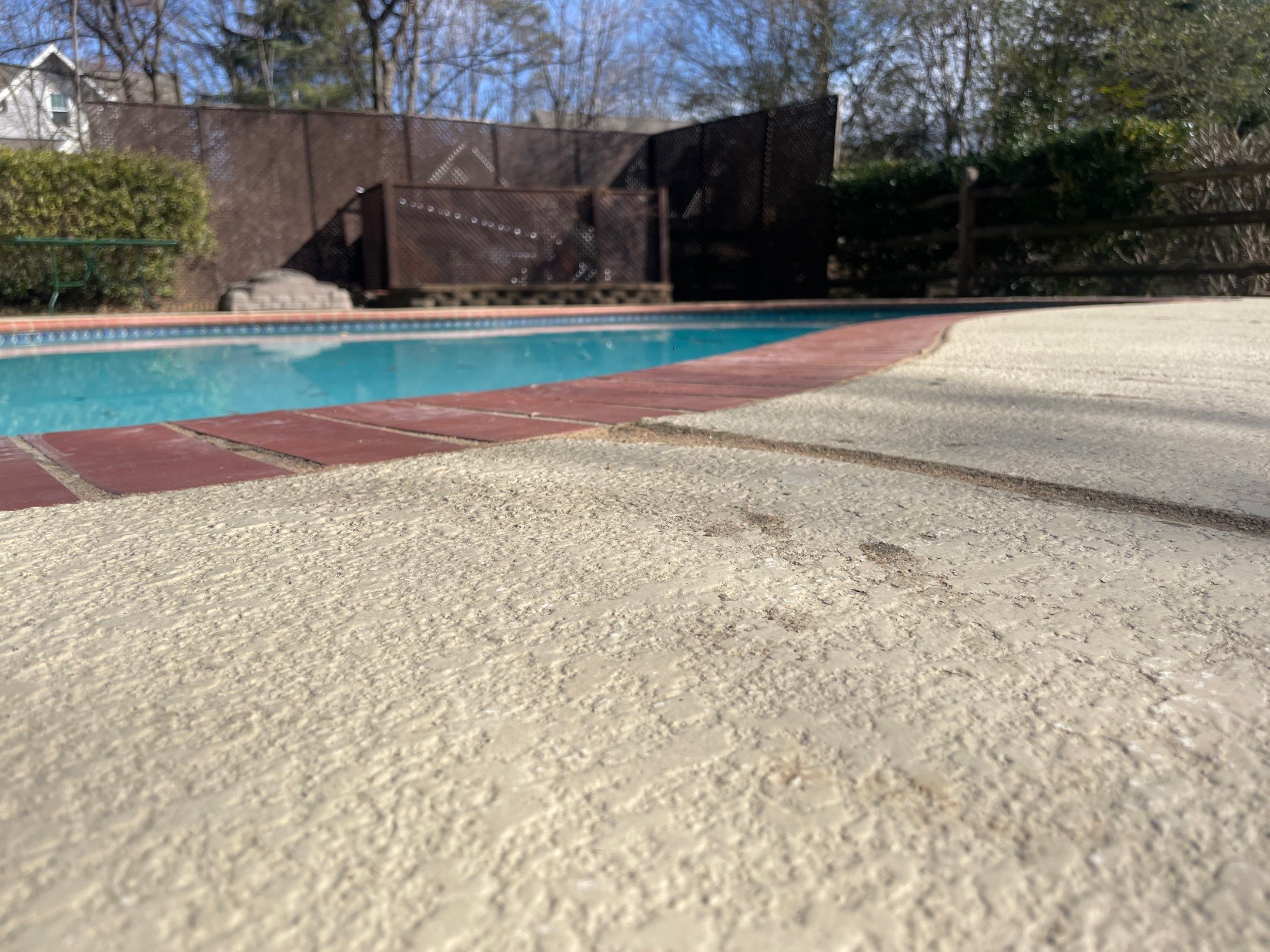
Runoff and splash-out wash the soil from under a pool deck, and on a sloped lot it goes fast. We lift pool decks with foam — light enough to raise the slab without leaning on the pool shell — and reset the drainage pitch the right way.
Learn More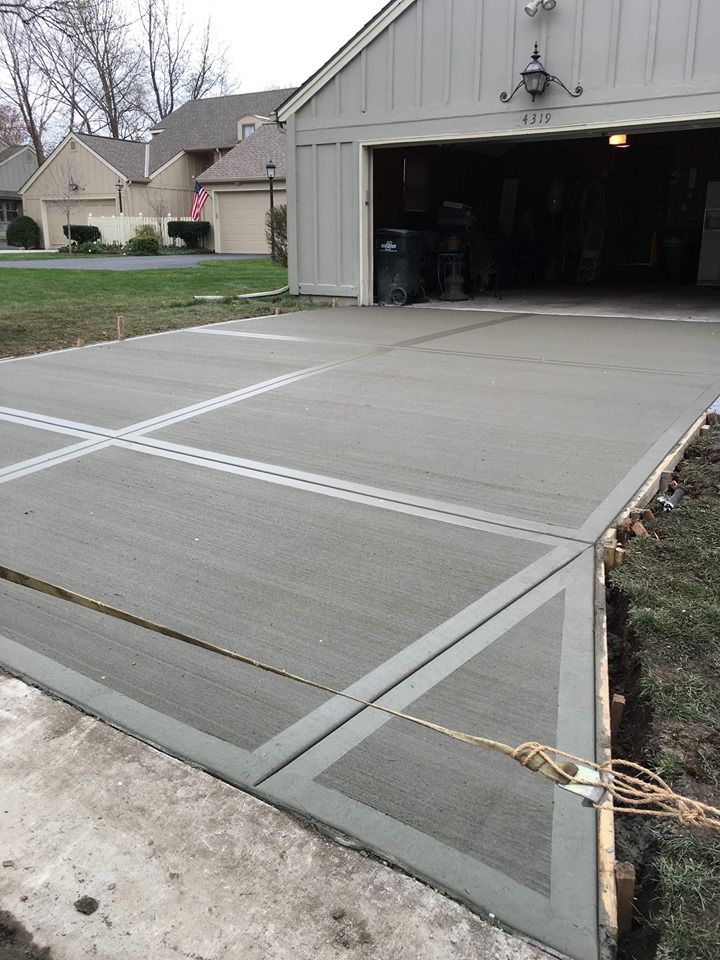
A garage slab that's dropped toward the back — often the downhill, fill side of the pad — pulls water and oil toward the wall. We raise the low spots, fill the void under the floor, and you can park on it that day.
Learn More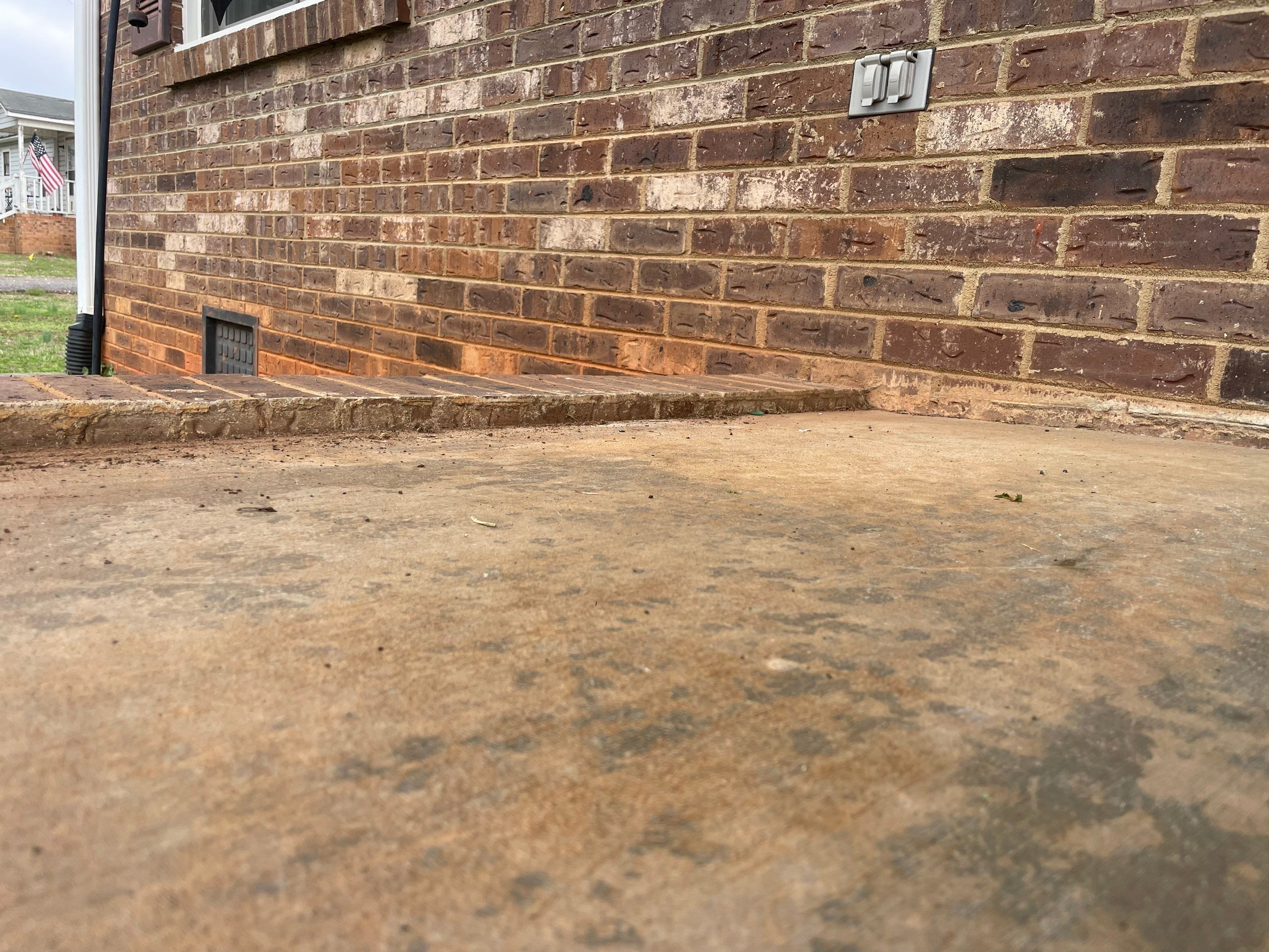
Any settled slab — a porch, a stoop, a shed floor, an AC pad, a basement floor — comes back the same way: foam pumped underneath until it's level and fully supported. If a slab on your property has dropped, it's usually liftable.
Learn More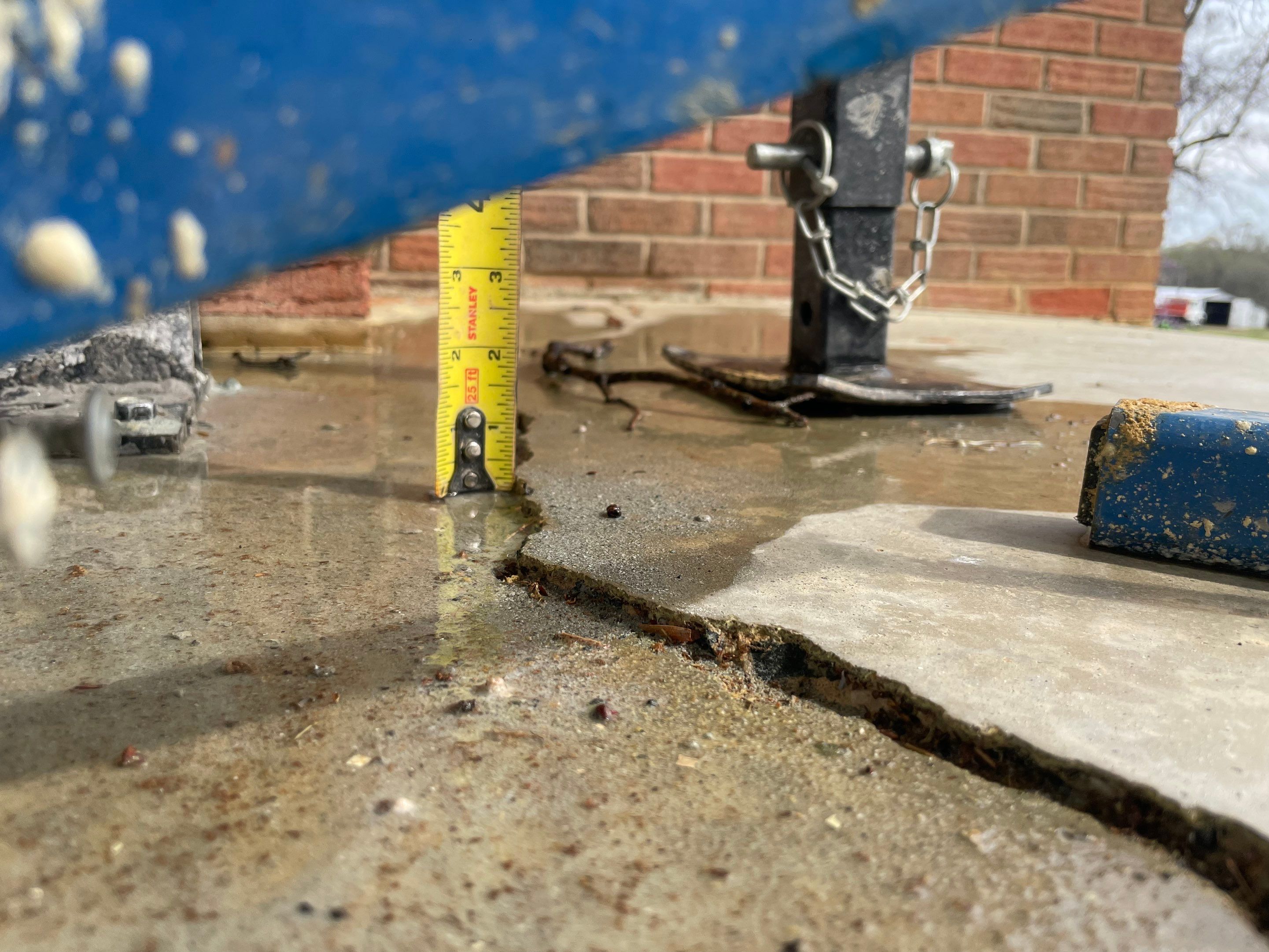
Cold, water, and shifting fill open cracks as a slab moves. After a lift we fill them with a flexible sealant that moves with the slab and keeps water from getting back underneath and washing — or freezing — the soil out all over again.
Learn MoreOur Process
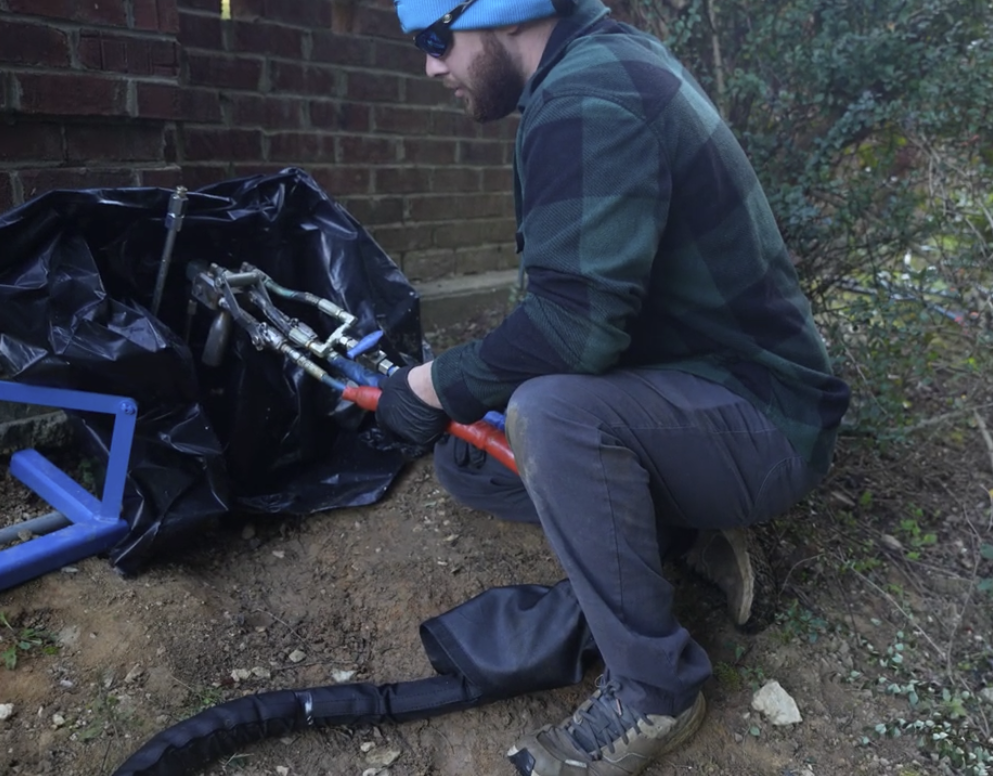
Point us at the slab that's bothering you and we'll be out to size it up — measuring how far it's dropped, getting under it to see what's going on, and pinning down whether the cold, the fill, or the runoff is behind it.
Before a single hole gets drilled, you'll know what's wrong, what the lift involves, and what it costs — in writing. And if the slab's past saving, we'll say so up front rather than take the job anyway.
Through a handful of dime-sized holes, we work foam in underneath in stages, watching the slab come up until it sits level again and the hollow beneath it is packed solid.
We fill the holes, tidy the site, and hand it back ready to use — no days of caution tape while concrete cures. Walk on it, park on it, that afternoon.
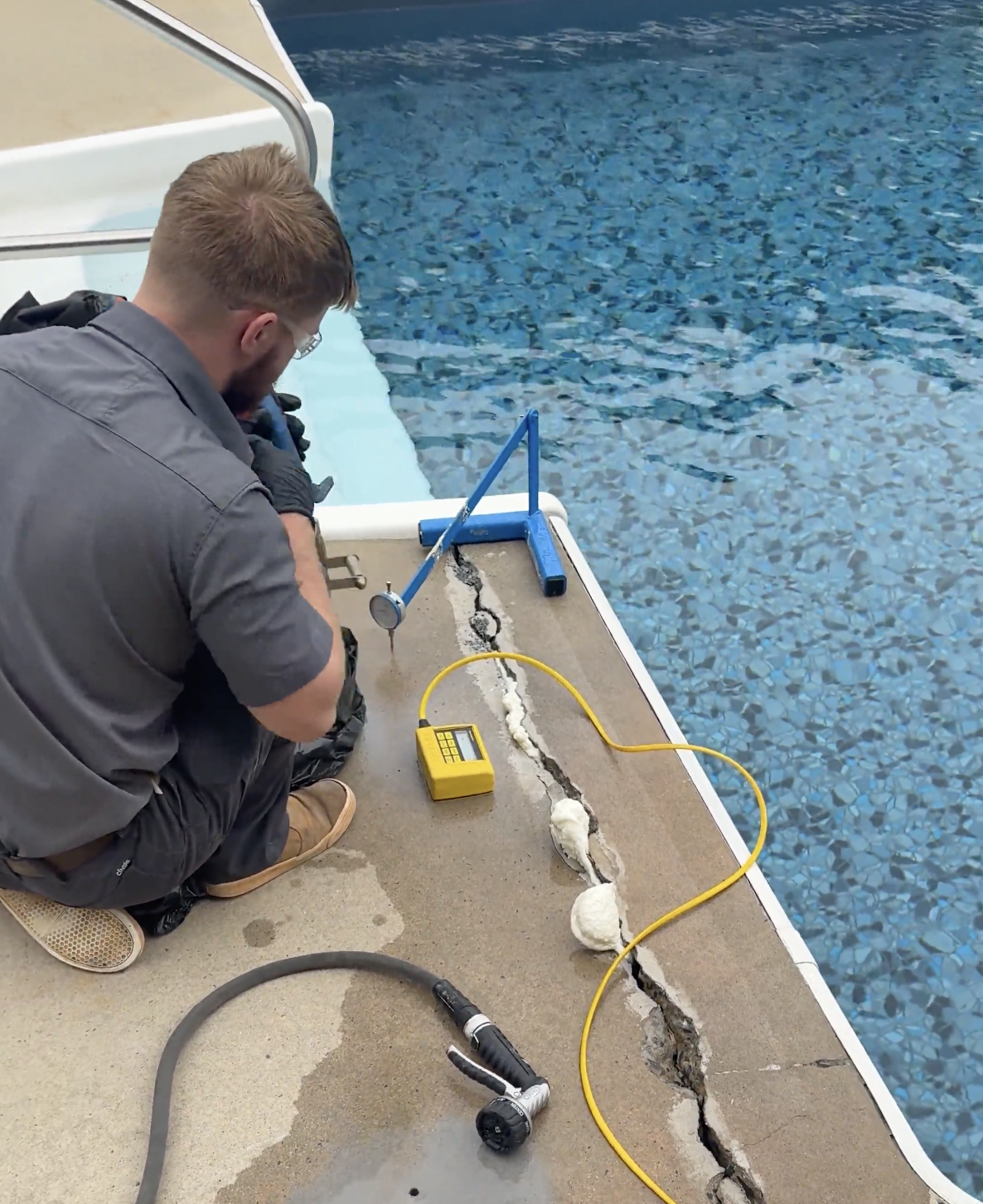
Most of our Asheville jobs run a few hours, start to finish. Somebody answers the phone seven days a week and we usually get out to look within a day — and on a mountain lot where the problem's only getting worse each freeze, you don't want to sit on it.
The price is written down before we start, and that's the price — no "starts at" teaser, no surprise add-on unless you change the scope. If we get under the slab and find something different, we stop and show you before we touch it.
Foam injection is light, sets in about fifteen minutes, and holds for years — you're back on the slab the same day instead of waiting on a fresh pour. And if a slab isn't worth lifting, we'll tell you straight instead of talking you into it.
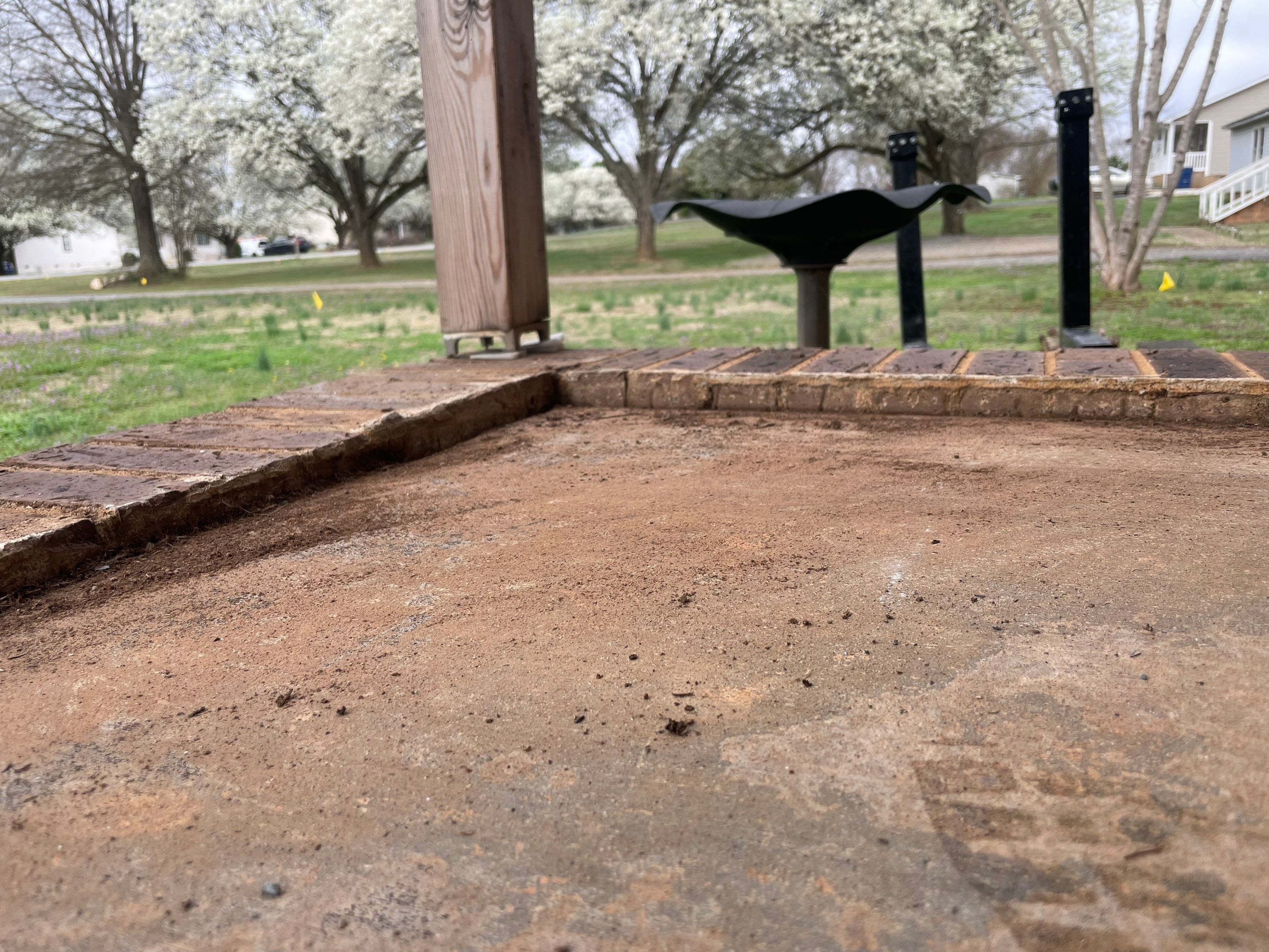
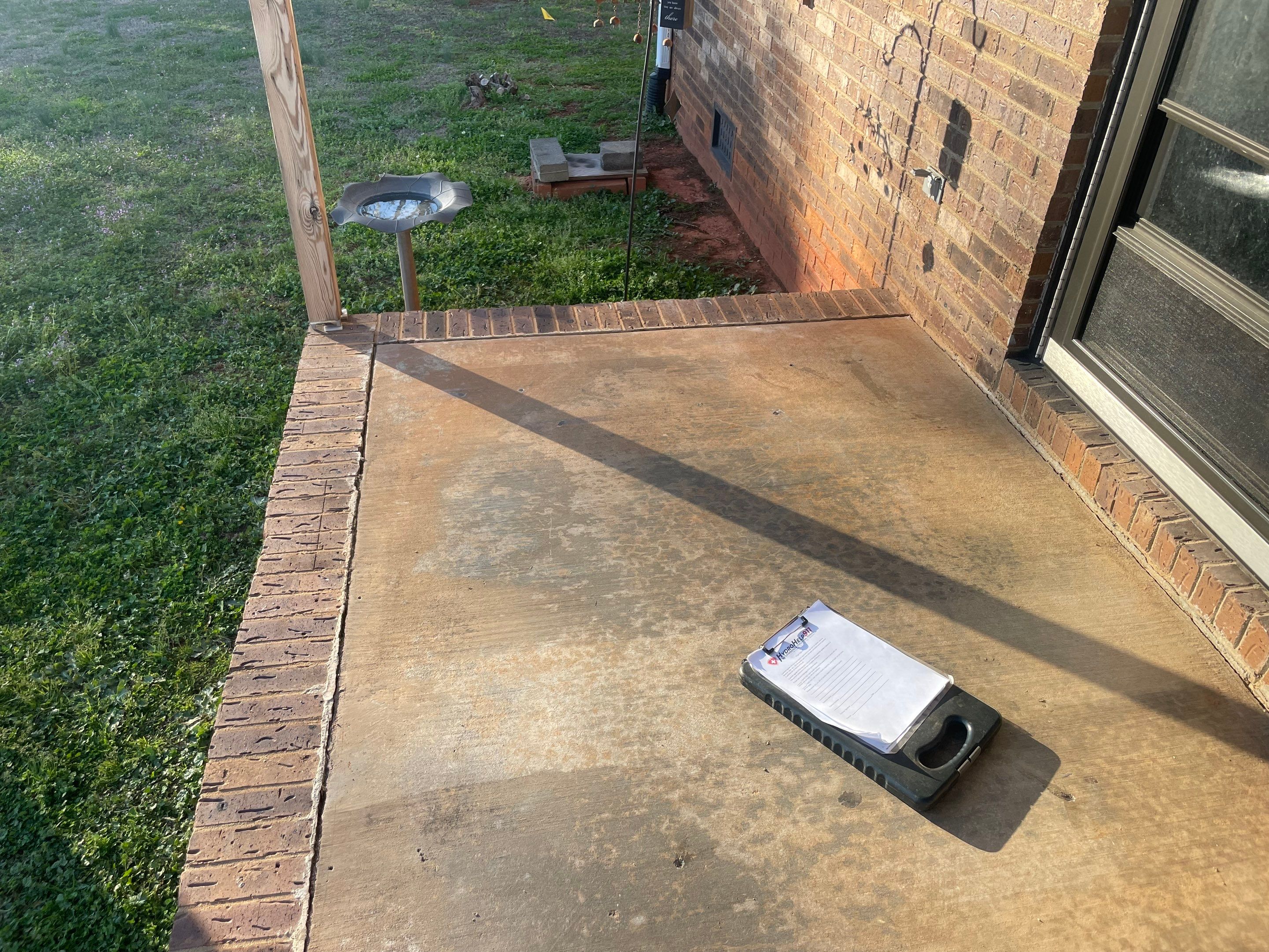
Real jobs we've done. Same slab, lifted back to grade.
The questions we get most often during free assessments around the city.
Whatever it is, it's a fraction of tearing the slab out and pouring a new one. The figure depends on a few things — how big the slab is, how far it's sunk, and how much foam it takes to fill the gap underneath. A lone sidewalk square or a sunken step is on the low end; a whole driveway or pool deck climbs from there. We won't quote you blind over the phone — you get the exact price in writing once we've seen it.
Three things, mostly, and they're a little different up here than down the mountain. First, the cold: water gets into the soil under your slab, freezes, expands, and shoves the ground around — then it thaws, and the empty space it leaves lets the slab drop. That runs all winter at this elevation. Second, the lots: a lot of Asheville homes sit on a hillside pad that was cut into the slope on one side and filled on the other, and if that fill wasn't packed down tight, the slab on top settles. Third, the water: steep yards send runoff straight under driveways and decks and wash the soil out. We figure out which one's behind your slab before we fix it.
It's a clean process. A grid of small holes goes into the slab, and we inject polyurethane foam through them. As the foam expands it presses into every gap the missing soil left, and that steady pressure raises the slab — we control the rate so it comes up evenly, not all at once. A few minutes later it's set firm, the holes get patched, and that's it.
The lift is permanent as long as the soil underneath stays put; the foam itself holds for years and doesn't wash out or break down in the cold. What ends a lift early is water or another freeze working the soil out again — so where drainage or a bad fill is the real culprit, we'll point it out so it doesn't come back.
Usually not. Insurers treat settling from soil movement, washout, and freeze-thaw as wear-and-tear, not sudden damage — and that's nearly always what's behind a sunken slab. A sudden covered event, like a plumbing line letting go under the slab, is the exception. Check your policy, but plan on out of pocket; it's still a fraction of replacement.
It comes down to the shape the concrete's in. If the slab itself is still solid and has only dropped, lifting it is the obvious move — far cheaper than a tear-out, and done in a day. It's only when the concrete is cracked to pieces or crumbling that replacement is the smarter spend. We'll look at yours and give you an honest call on which it is — we're not going to push a lift on a slab that's done.
Rapid Concrete Leveling levels concrete across Asheville — Montford, Grove Park, Kenilworth, Beaverdam, Haw Creek, North Asheville, and Town Mountain included.
We service the whole Asheville metro.