Same-day service on most jobs. Honest, upfront pricing. We pick the right method for your crack and stand behind the work.
Tell Us What's Sinking
Thank You!
We'll get back to you shortly. For immediate help, call (980) 890-5886.





Most homeowners notice one of these before they call.
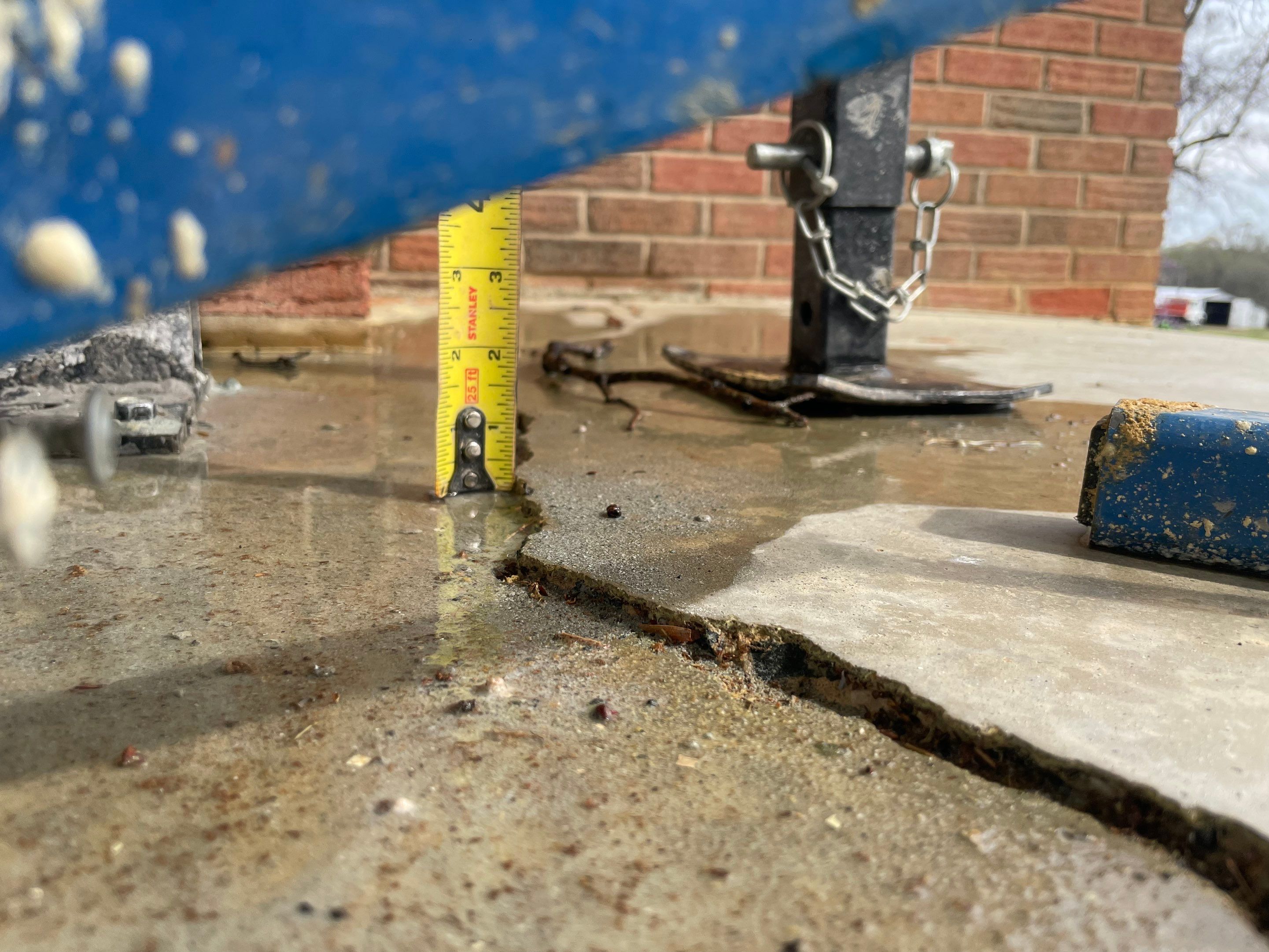
A crack that's wider than it was last year is telling you something. Every freeze-thaw and every heavy rain makes it grow. Cracks that grow are worth pricing now, because a repair costs less than replacing a cracked section later.
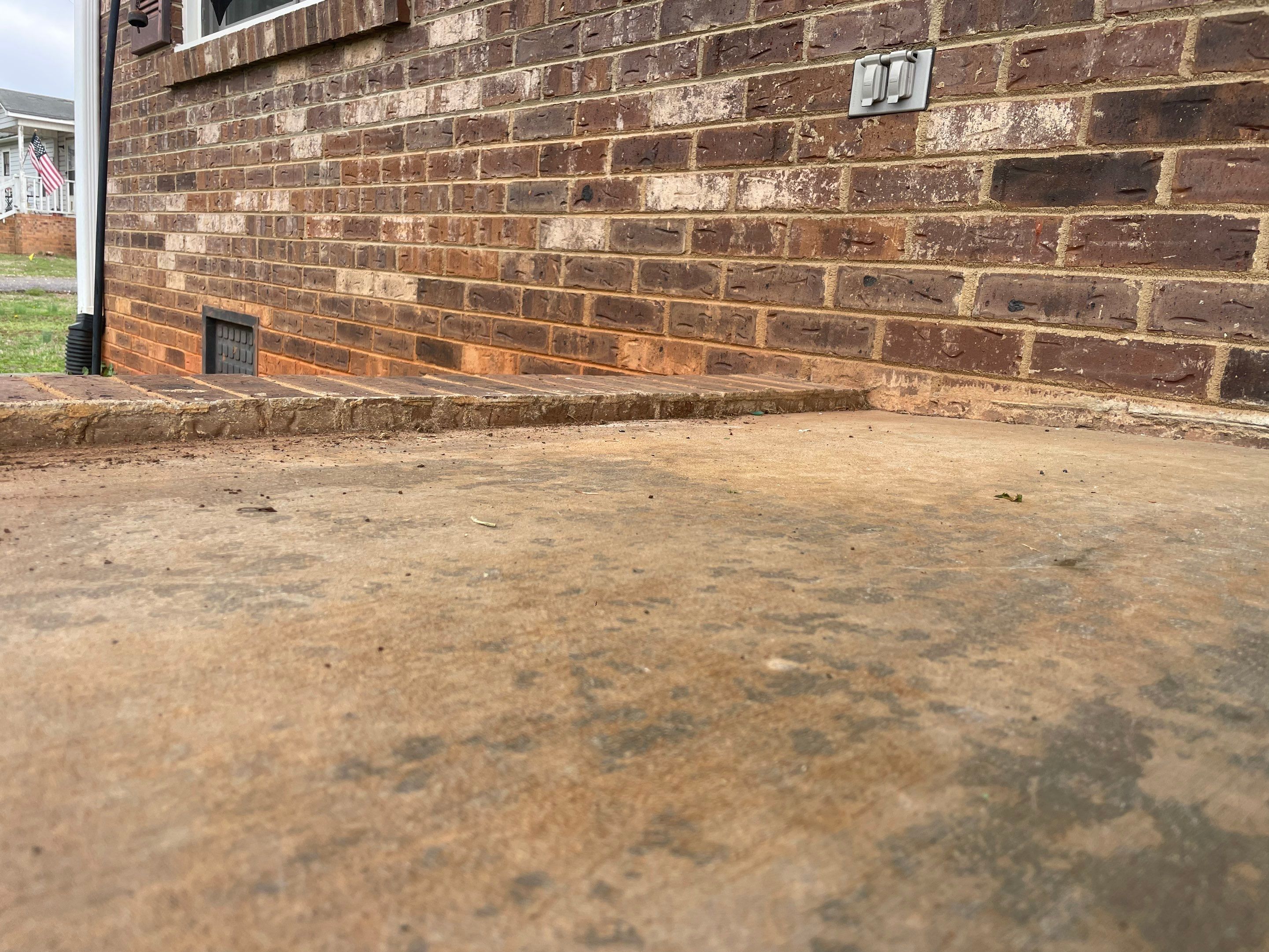
If your basement wall leaks after every storm, the crack is active. We seal it from the inside with polyurethane that fills the full depth.
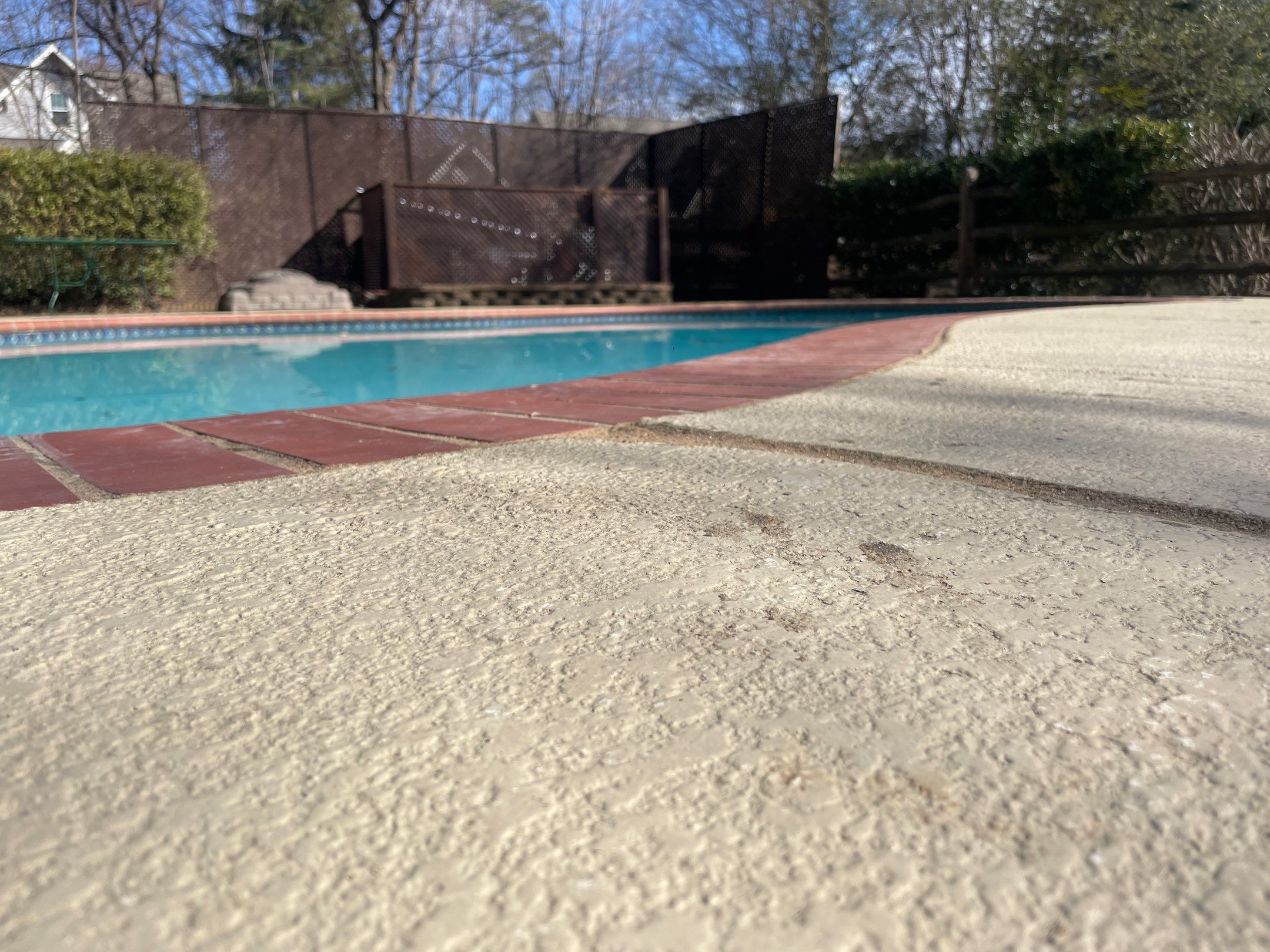
One side of the slab dropped and now there's a ledge across the crack. That's settlement. We lift it back to level and seal the crack flush.
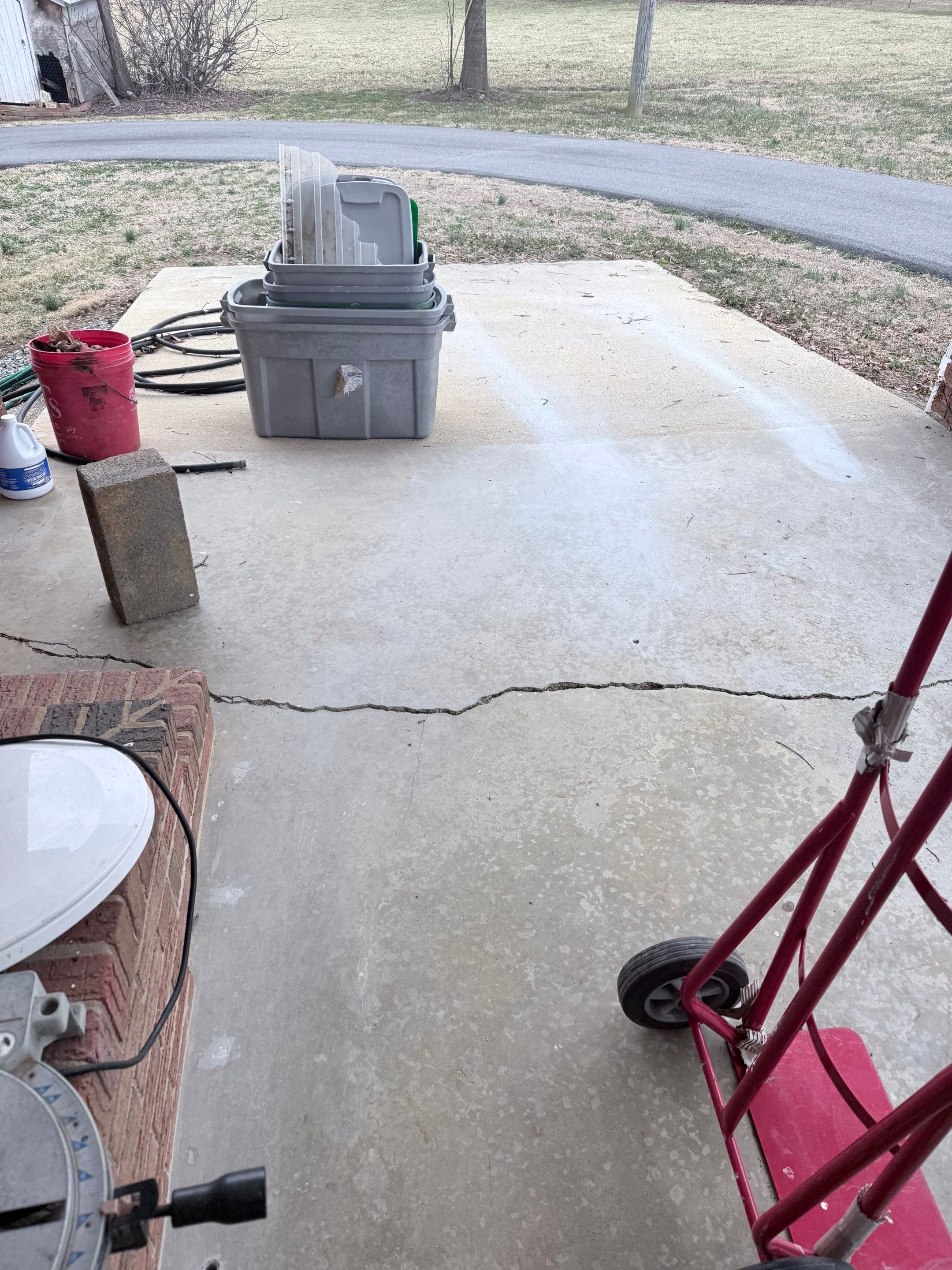
Thin cracks running across a driveway, patio, or garage floor are usually shrinkage. They're cosmetic now but get worse once water gets in. Sealed early, hairline cracks stay cosmetic. Left open, water gets in and the concrete starts breaking down at the edges.
Most cracks are fixable. Some are cosmetic. Some are structural. Some are leaking. We figure out which one you've got and pick the method that actually solves it. Repairing cracks in masonry follows the same logic. Match the fix to the movement, not to the price of the tube.
For dry, structural cracks in foundation walls and load-bearing slabs. The epoxy bonds the crack faces back together. Cured epoxy is stronger than the concrete around it.
For active or leaking cracks. The polyurethane reacts with water, expands, and fills the full depth of the crack. Stops the leak. Stays flexible enough to handle thermal movement.
For driveways, sidewalks, patios, and garage floors. We grind a clean V-groove along the crack, lay in a bond breaker if it's still moving, then fill it with a flexible polymer sealant. Looks clean, doesn't crack back along the same line.
If the slab dropped along with the crack, we lift it first with foam or mud, then seal.
Walk into any hardware store and you'll find a shelf of concrete crack filler. Squeeze tubes, caulk gun cartridges, pourable bottles, powdered patch compound you mix in a bucket. These fillers all work on something. The label just never tells you which cracks, so people buy on price, use the wrong material, and watch the repair fail inside a year.
It comes down to two questions. What kind of cracks do you have, and is anything still moving? Get those right and the repair holds for years. Get them wrong and you're repairing the same spot every spring, which is how a small job turns into a big one.
Hairline cracks in a garage floor or patio are usually shrinkage from concrete that cured too fast years ago. They barely move. A concrete sealant closes them and keeps water out, and this is the one case where a weekend project makes sense. Clean them out first. Filler poured over loose dust bonds to the dust instead of the masonry, and it lifts out in one piece within a season. Sweep it, vacuum it, then fill it.
Large cracks that open in winter and close again in summer are still moving, and no filler holds a joint that moves. We widen the opening to a uniform width with a narrow chisel or a grinder, set a backer rod at the right depth, then fill it with a flexible polymer. That rod matters more than whatever goes on top of it. It keeps the material from bonding to the bottom of the channel, which is what lets the repair stretch and compress instead of tearing itself apart. Fine sand broomed across the surface while it's still tacky hides the repair line.
A driveway crack with one side sitting lower than the other is not a filling problem. The ground underneath it moved. Fill it and you get a smooth surface bridging a hollow, and the same edge drops again the following year. We lift the concrete back to level first, then seal the joint. Repairing the surface without correcting what's under it is the most common reason these cracks come back. Water finds the hollow, freezes, and keeps working at it every winter.
Every job follows the same steps. We look at the cracks, tell you which ones are cosmetic and which are structural, and put the price in writing before anything starts. Concrete crack repair on a patio or walkway is usually a same-day visit. A cracked foundation wall takes longer, because the material needs curing time before it carries load again. Rushing the cure is how a repair opens back up in six months, so we don't.
If you're not sure what you've got, we'll tell you. The inspection is free, and if a tube of crack filler from the hardware store will handle it, we'll say so. Most concrete cracks are cheaper to deal with early. Waterproofing a joint before water gets under the concrete costs a fraction of replacing a cracked section later.
Our Process
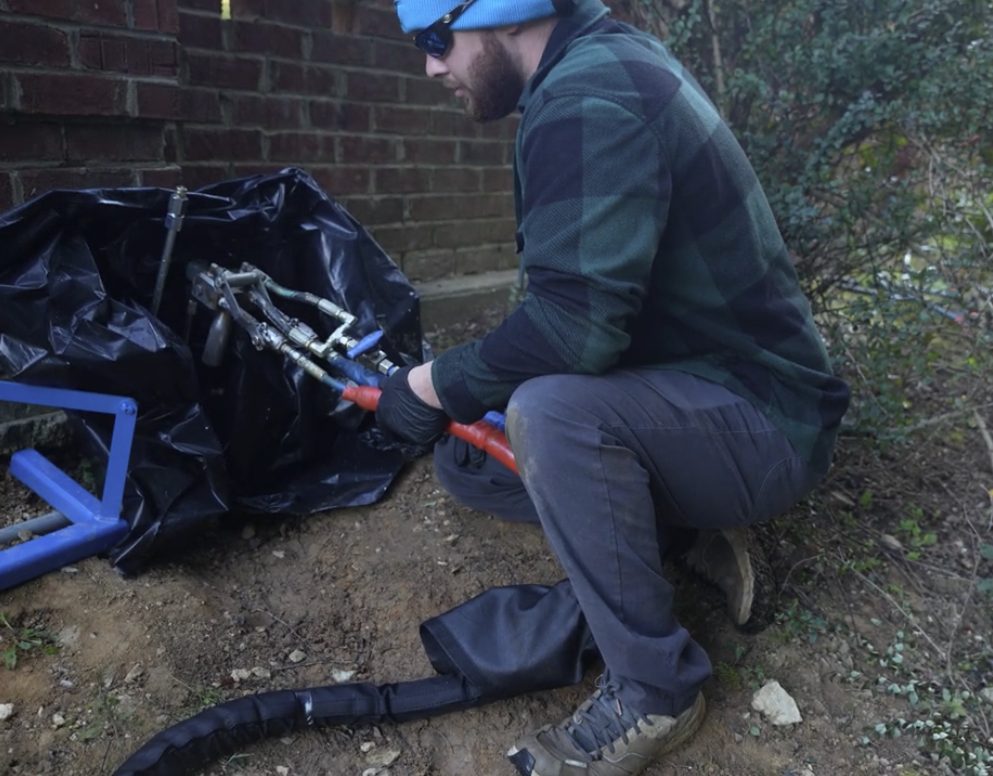
We walk the slab with you, measure each crack, and tell you what's structural and what's cosmetic. No charge for the look.
You get a written price with the method and the materials. The price we quote is the price you pay.
We clean the crack, prep the surface, and apply the right material — polymer sealant for surface cracks, epoxy or polyurethane for structural and leaking cracks.
We sweep up, walk you through the finished work, and back it with a written workmanship guarantee.
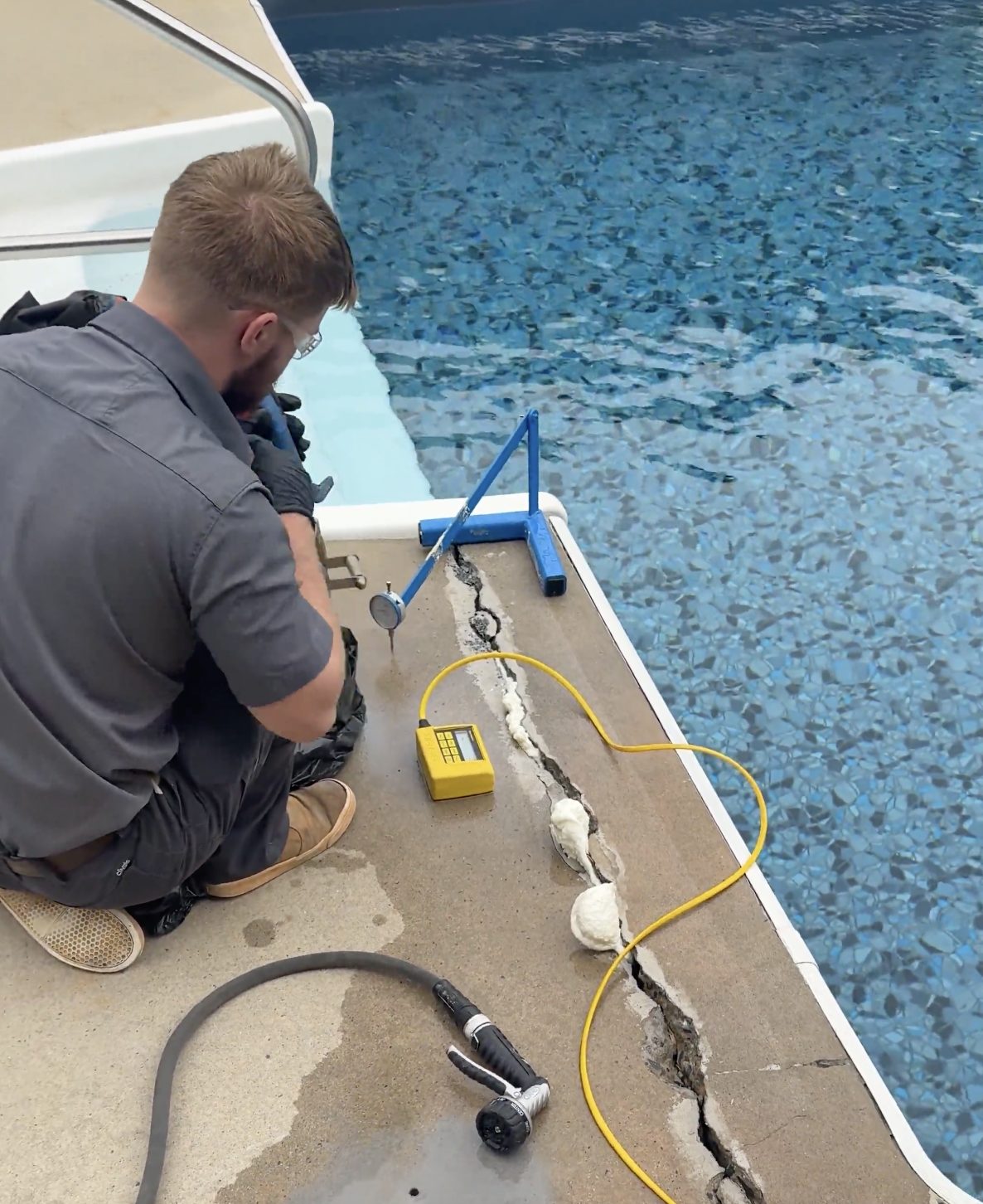
Most exterior crack repairs are same-day jobs. We show up when we say, finish in a few hours, and you walk on the slab the same day.
If a crack is cosmetic, we'll tell you. If it needs more than a sealant, we'll explain why. The price we quote is the price you pay — no change orders mid-job.
We don't push one method on every crack. Polymer sealant, polyurethane injection, epoxy injection, and carbon fiber staples each have a job. We pick the one that fits your crack and back the work with a written workmanship guarantee.
Price depends on the crack — its width, length, where it is, and what type it is. Surface crack sealing on driveways, sidewalks, and patios is the lowest cost. Foundation crack injection costs more because it's a structural repair. We give you a written price after we look at the crack, and that's the price you pay.
For thin, cosmetic cracks with no movement and no water, yes — a polyurethane caulk from the hardware store will hold for a few years. For structural cracks, leaking cracks, or cracks with vertical drop, you need full-depth injection or routing with a bond breaker. If we look at it and it's a DIY job, we'll tell you.
Surface caulk lasts a few years. Routing and sealing with a flexible polymer holds for many years if the slab is stable. Epoxy injection bonds the crack faces back together for the long haul. Carbon fiber and epoxy together is the strongest residential repair we offer.
Epoxy is rigid. It bonds the crack faces back together and restores structural strength. We use it on dry, structural cracks. Polyurethane is flexible and reacts with water — we use it on active or leaking cracks. The crack tells us which one to use.
Most of the time, no. Standard policies exclude foundation cracks from settling, soil movement, or wear and tear. Coverage usually only kicks in if the crack came from a covered event like a storm, fire, or a tree falling on the slab. Check your policy.
Rapid Concrete Leveling provides concrete crack repair across our service area. Click your city for local crew details.